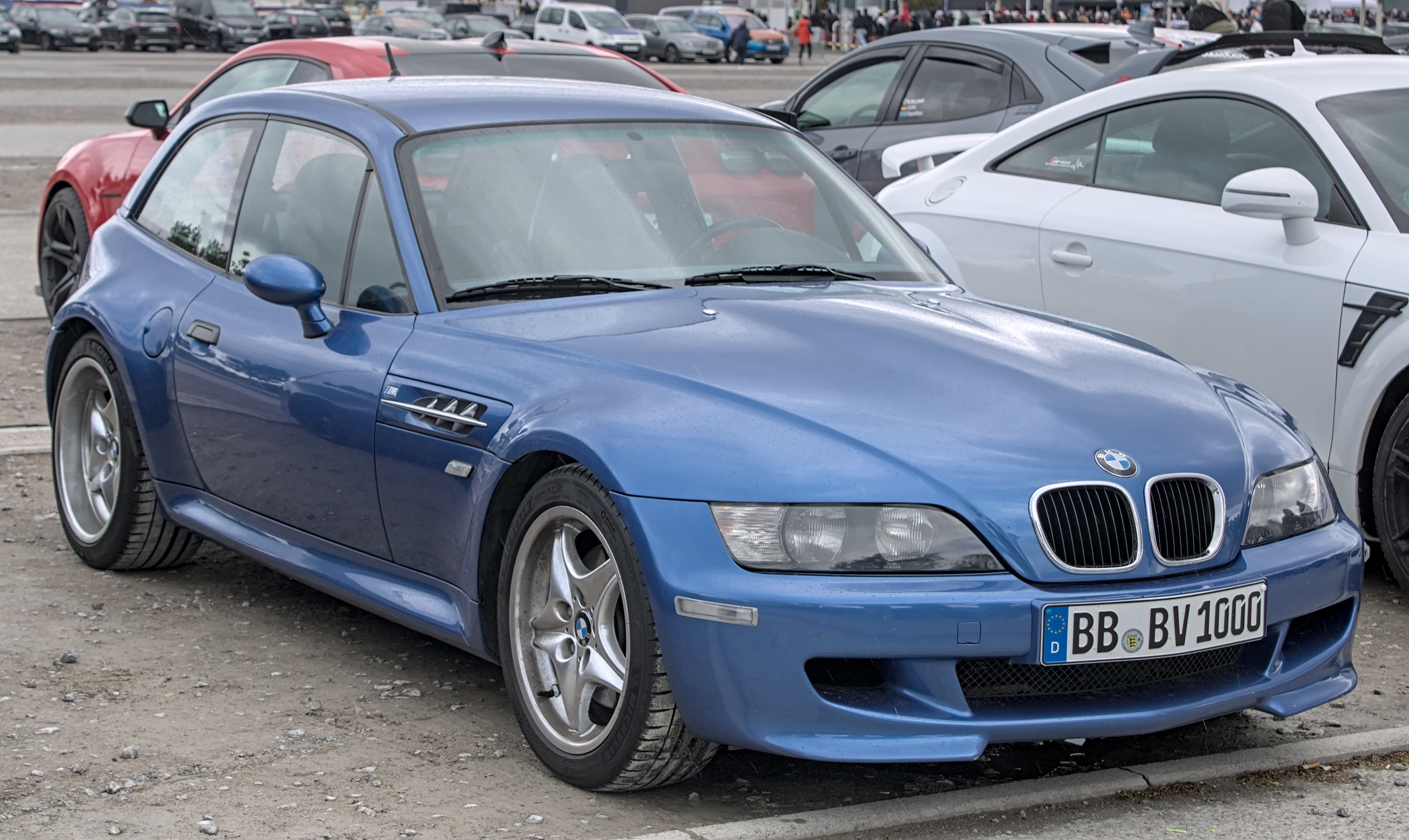
Why everyone should own an old BMW
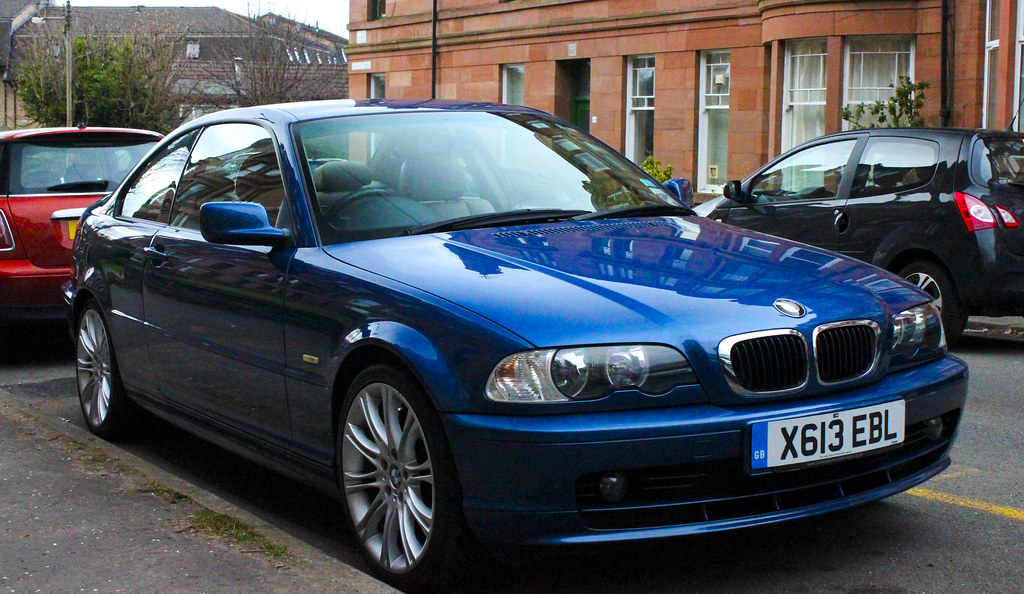
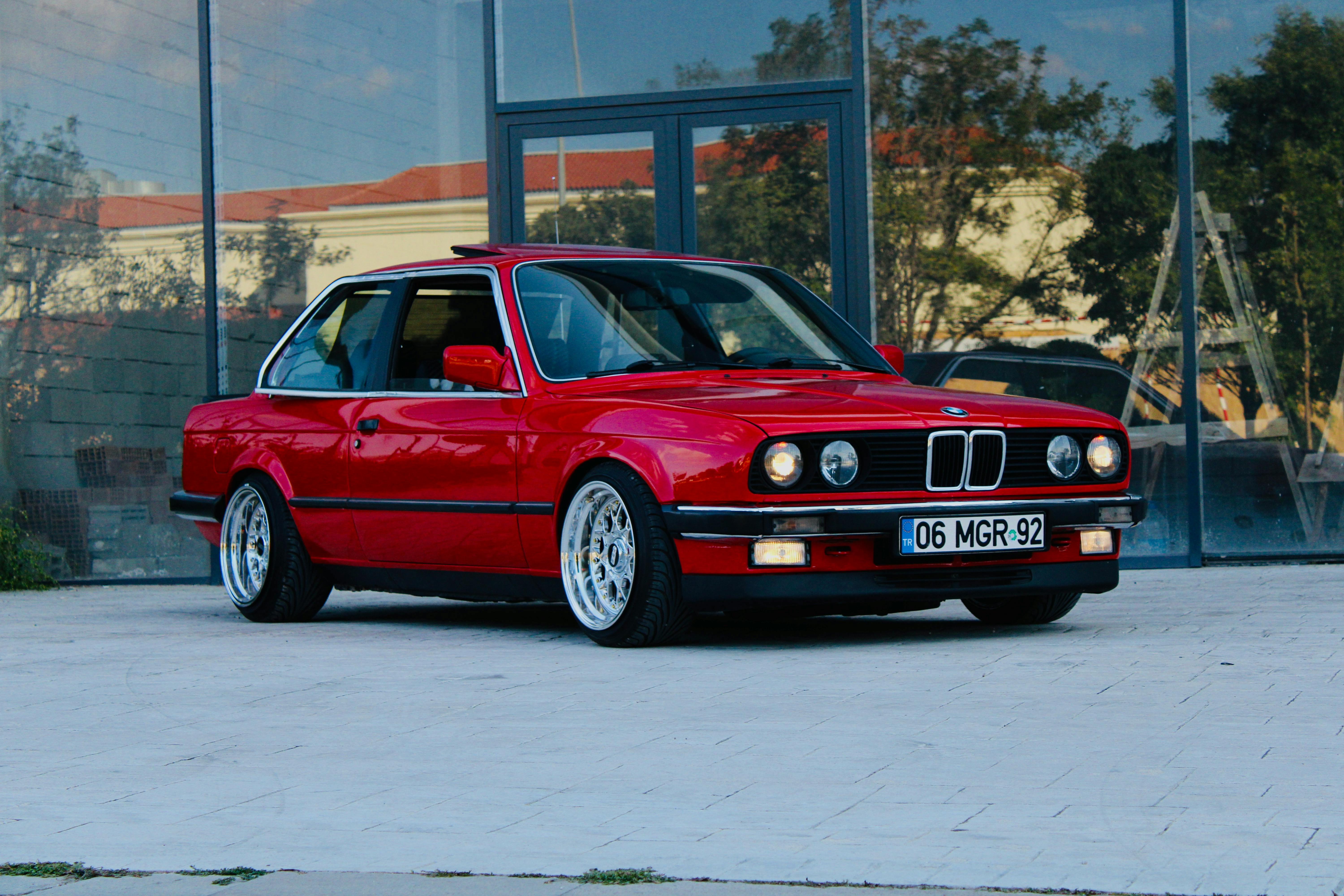
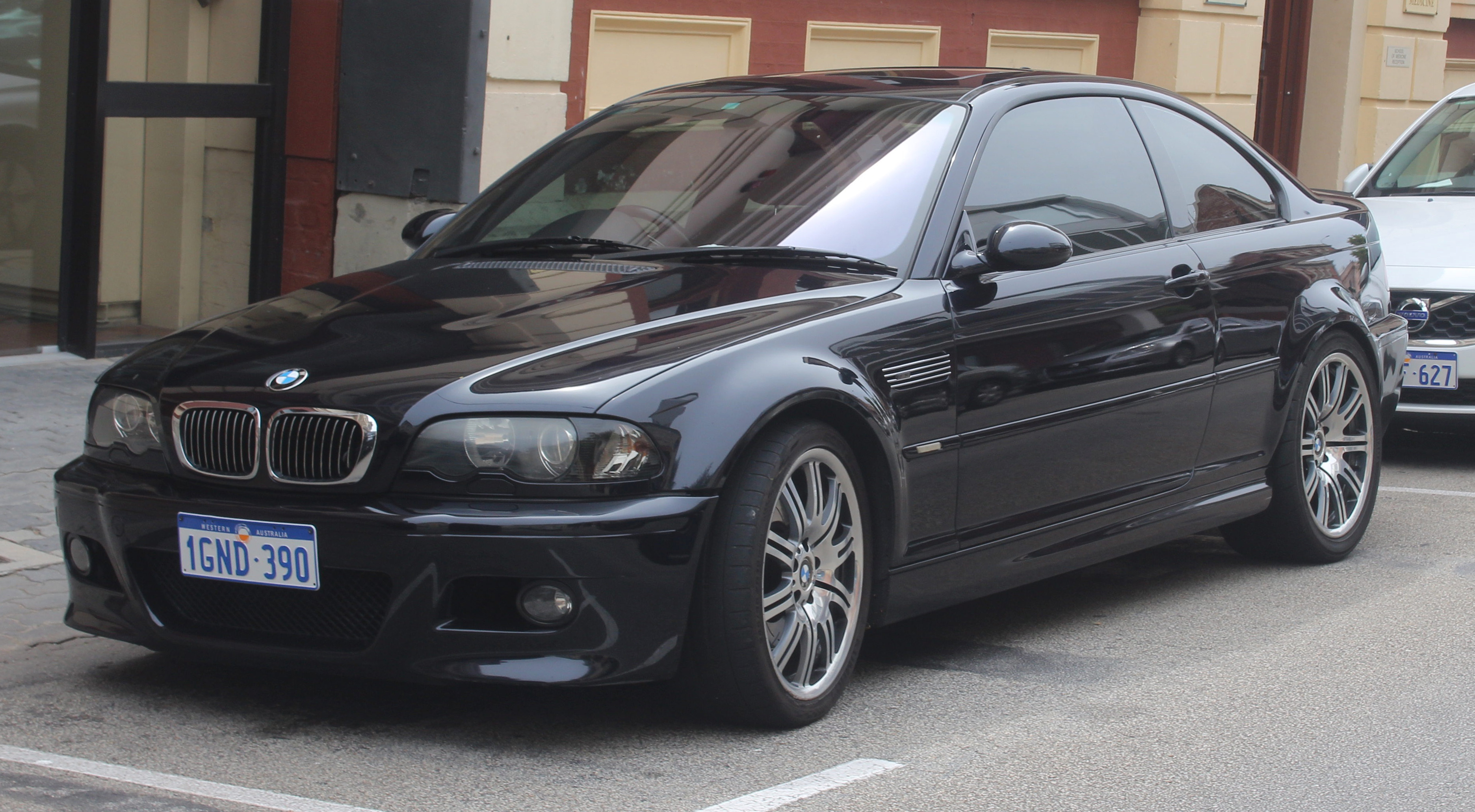
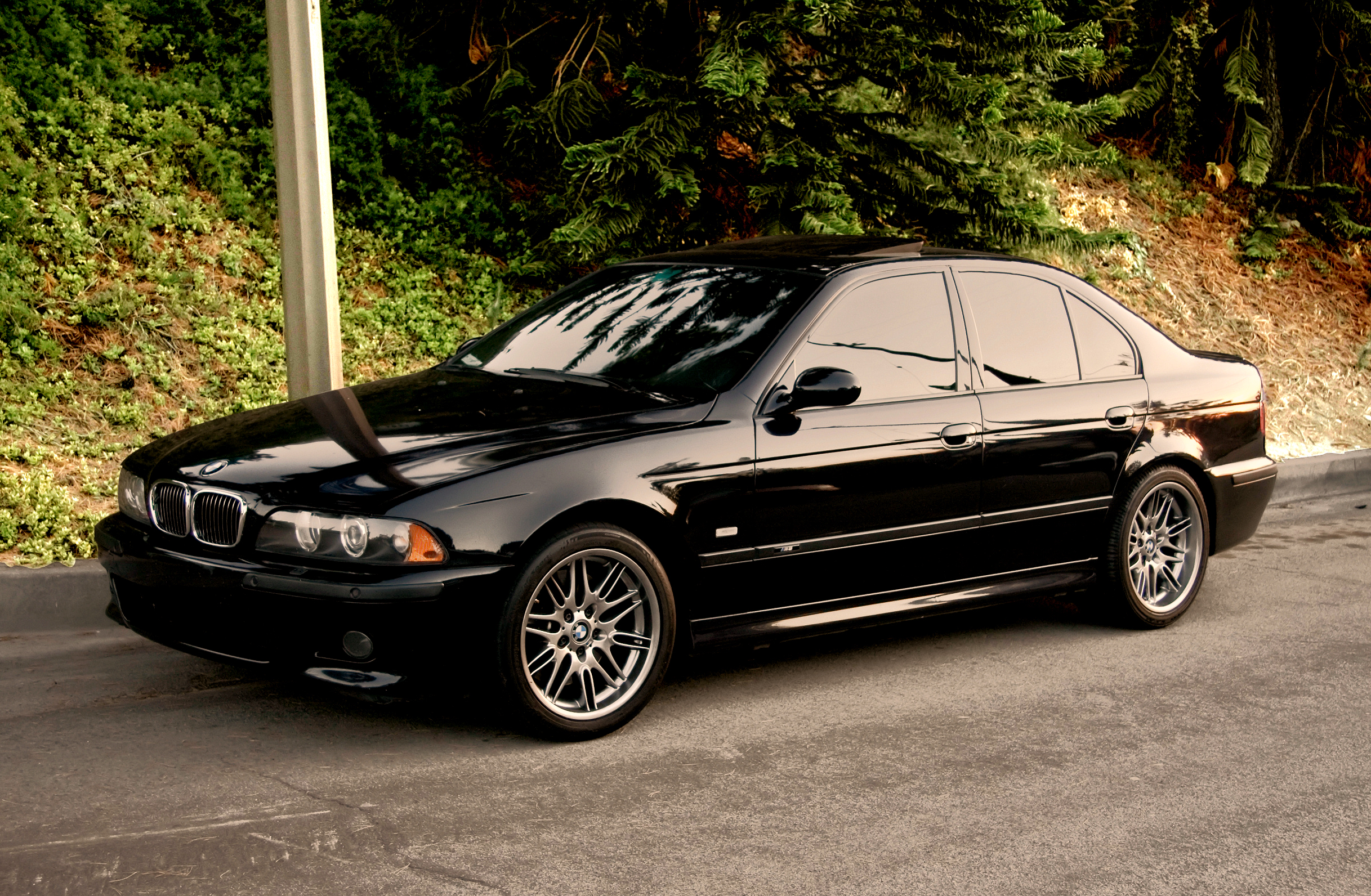
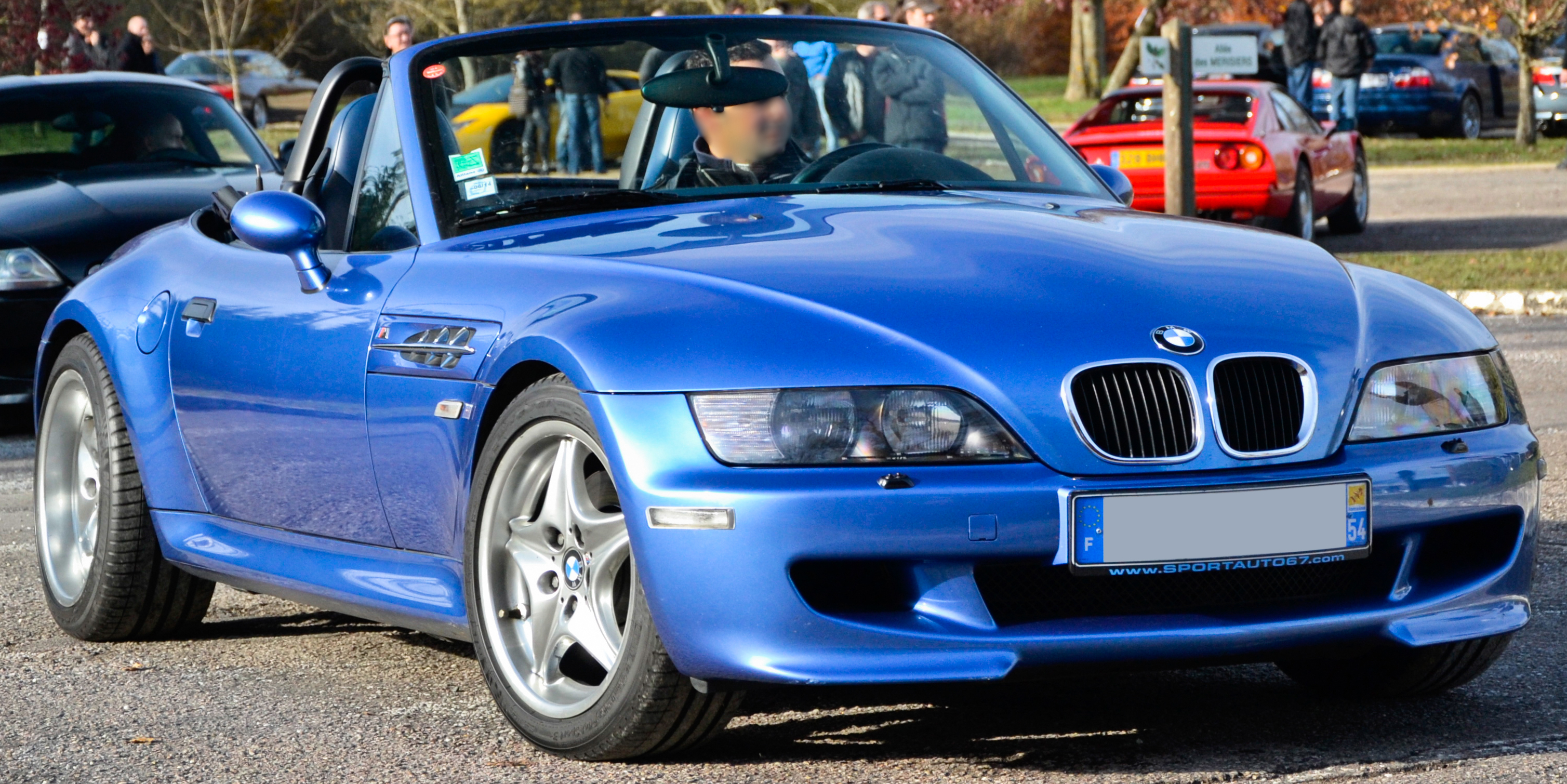
In an era of increasingly complex, touchscreen-heavy modern cars, there's something refreshingly honest about owning an old BMW in Europe. These "analog" machines from the 1980s through the early 2000s deliver pure driving joy, timeless design, and a connection to the road that many newer models struggle to match. Here's why everyone—from daily drivers to weekend enthusiasts—should consider adding a classic or older BMW to their garage, with prices tailored to the European market (primarily based on current listings from sites like AutoScout24, mobile.de, and The Parking as of early 2026; prices in euros vary by country, condition, mileage, rust-free status—especially important in northern Europe—and location; well-maintained examples typically fall in the mid-range).First, the driving experience stands unmatched. BMW's legendary "Ultimate Driving Machine" ethos shines brightest in older generations. Rear-wheel drive, near-perfect weight distribution, hydraulic steering (no electric numbness), and naturally aspirated engines provide feedback that's often lost in today's turbocharged, electronically assisted cars. Whether carving twisty Alpine roads or cruising autobahns, these cars feel alive and engaging.Second, simplicity equals reliability when maintained. While BMWs have a reputation for high maintenance, older models (pre-massive electronics) are mechanically straightforward. The inline-six engines—like the M20, M50, M52, and M54—are durable legends, often lasting 300,000+ km with basic care. Cooling systems, VANOS seals (on later models), and suspension bushings need attention, but parts are plentiful and affordable thanks to a huge aftermarket and enthusiast community across Germany, the Netherlands, France, and beyond.Third, value and appreciation potential. Many old BMWs remain undervalued relative to their fun factor in Europe. Non-M models are accessible entry points, while icons like the E30 M3 have become sought-after collectibles with rising values. Owning one can be an investment in enjoyment—and sometimes in value—as clean, original examples appreciate, especially with low-mileage or restored cars.Fourth, community and support. BMW enthusiasts are passionate throughout Europe. Forums like Bimmerforums.eu, E46 Fanatics (international sections), and local groups on Facebook offer endless advice, DIY guides, and cheap parts. Meets, track days (e.g., Nürburgring events), and clubs thrive in Germany, Belgium, and the UK.Finally, style and character. Clean lines, boxy proportions, and subtle aggression give old BMWs timeless appeal. They stand out without screaming for attention, and many qualify for classic car tax/insurance benefits in countries like Germany (H-Kennzeichen) or France.Here are some of the best-rated older BMW models for European ownership, with approximate current market prices in euros (drawn from recent AutoScout24, mobile.de, and similar listings; expect to pay more for rust-free southern European or low-mileage examples, less for higher-km project cars—always get a pre-purchase inspection, especially checking for rust in wetter climates).