In 2026, electric vehicles (EVs) dominate headlines as the future of driving—zero tailpipe emissions, instant torque, and falling prices. Yet for millions of drivers across Europe and beyond, diesel cars remain the practical choice. Despite the push toward electrification, diesel offers advantages in cost, range, refueling convenience, and real-world usability that EVs still can't fully match. This isn't about denying climate goals; it's about what works today for everyday drivers, especially those covering long distances or operating in areas with limited infrastructure.
- Superior Long-Distance Range and Refueling Speed
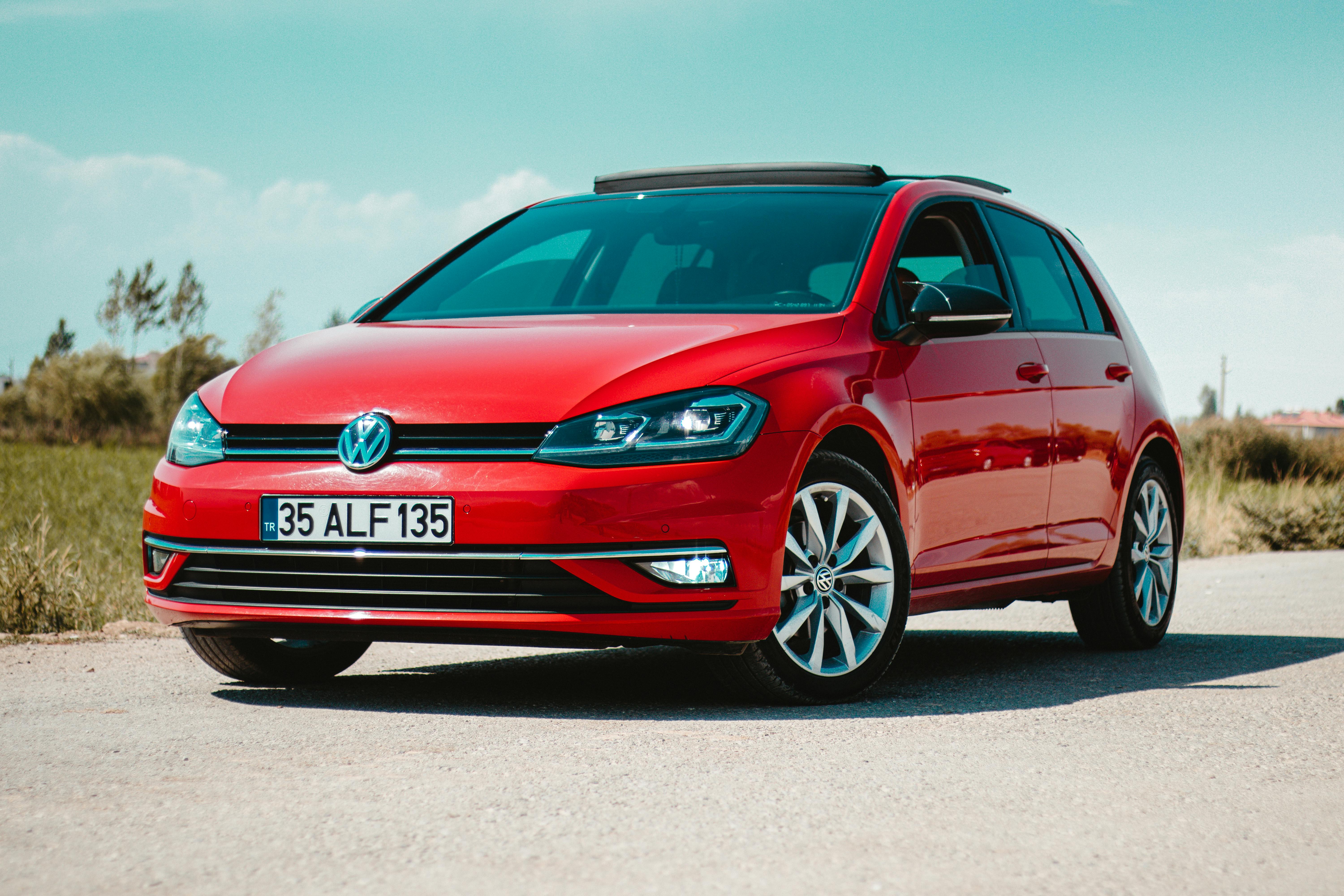
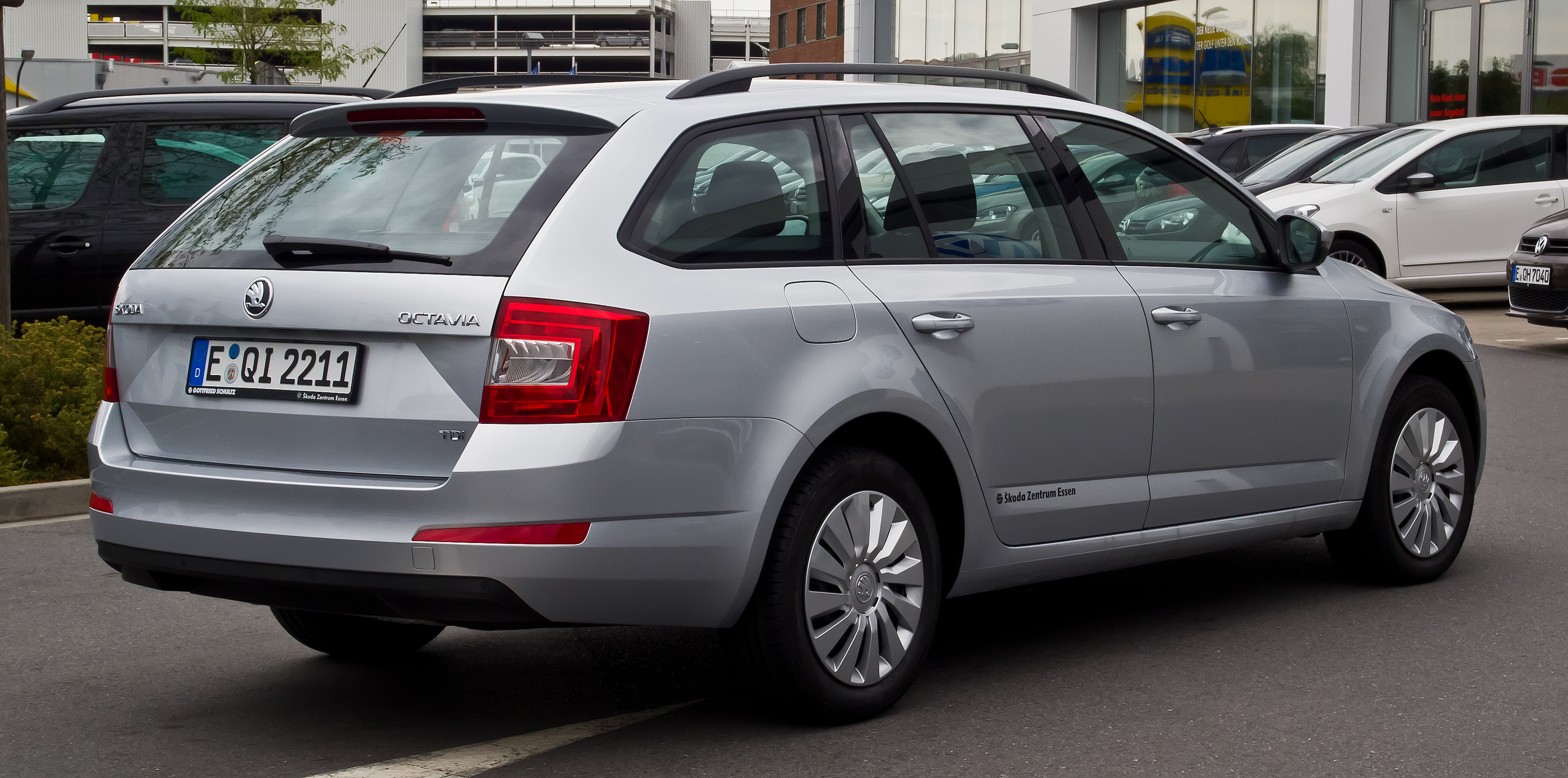
One of diesel's biggest strengths is effortless long-range driving. A typical modern diesel like the Volkswagen Golf 2.0 TDI or Skoda Octavia 2.0 TDI achieves 50–60 mpg (4.7–5.6 l/100 km) in real-world mixed driving, delivering 600–800 miles (1,000+ km) on a single 50–60 liter tank. Filling up takes 3–5 minutes at any of Europe's widespread fuel stations—often more than 30,000 in countries like Germany or France.
EVs, even premium 2026 models like the Tesla Model 3 Long Range or Hyundai Ioniq 6, offer 300–400 miles (480–640 km) in ideal conditions, but cold weather, highway speeds, or heavy loads drop this significantly (often to 250–300 miles real-world). Fast charging (150–350 kW) takes 20–40 minutes for 80% charge—still far slower than pumping diesel. In rural Southern Europe (Portugal, Spain, Greece) or Eastern regions, public fast chargers remain sparse compared to petrol stations. For drivers doing 300+ km daily or weekend trips, diesel means less planning and no "range anxiety."
Real-world example: A 2025 Skoda Octavia diesel owner in Portugal reports averaging 1,100 km per tank on highway commutes from Porto to Lisbon and back—impossible without multiple charging stops in an EV.
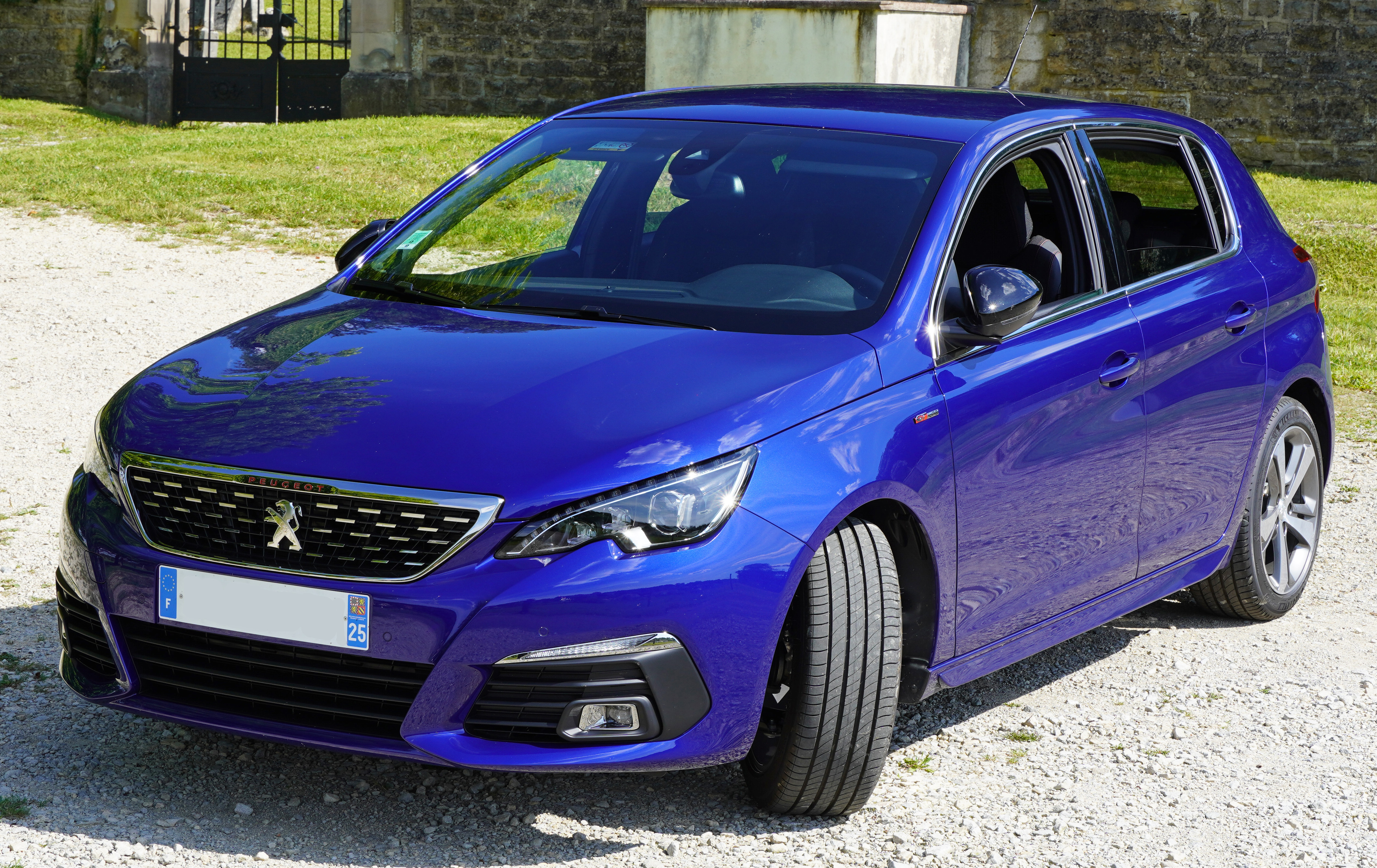
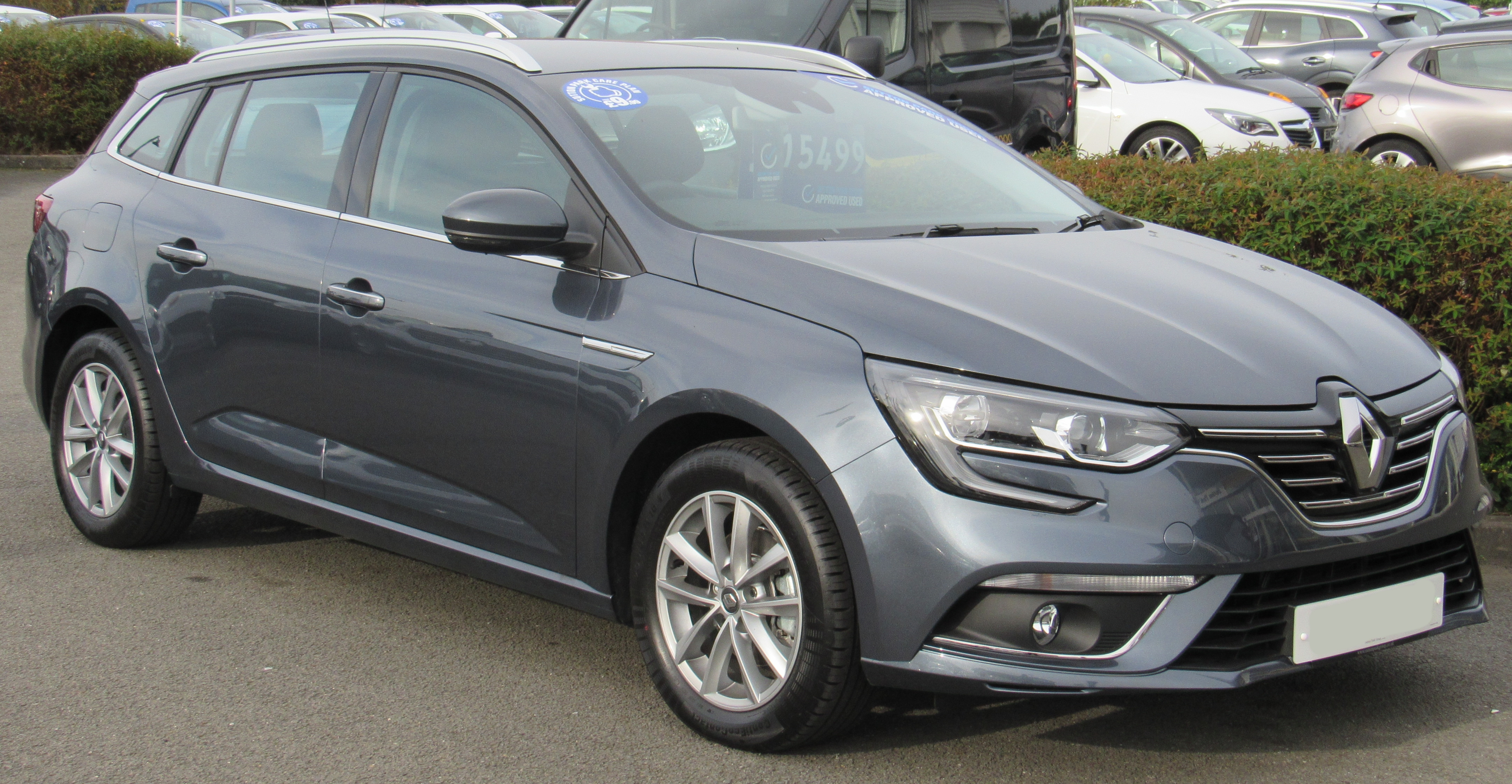
2. Lower Upfront and Total Ownership Costs for Many DriversDiesel cars are generally cheaper to buy than comparable EVs. In 2026, a well-equipped diesel family car (e.g., Peugeot 308 BlueHDi or Renault Mégane dCi) starts around €25,000–€32,000, while equivalent EVs often cost €35,000–€45,000+ due to battery expenses.Running costs favor diesel for high-mileage drivers (>15,000–20,000 km/year). Diesel fuel (despite higher per-liter price) delivers better economy on long trips than EVs relying on public fast chargers (often €0.50–€0.80/kWh). Home charging is cheap (€0.15–€0.25/kWh), but not everyone has off-street parking or a home charger—rental apartments in Southern Europe often lack this. Maintenance on modern diesels (post-Dieselgate fixes) is comparable or lower than EVs for non-battery parts, and diesel engines are proven durable (300,000+ km common).Real-world example: A 2026 comparison for a high-mileage driver in Spain showed a diesel Seat Leon costing ~€0.06–€0.08/km (fuel + maintenance) versus €0.05–€0.12/km for an EV (depending on charging mix). Over 200,000 km, diesel often wins on total cost when public fast-charging is frequent.3. Better Towing, Cold-Weather Performance, and PracticalityDiesel excels at torque delivery—low-end pull for towing trailers, caravans, or heavy loads without straining the engine. A 2.0-liter diesel typically offers 300–400 Nm from low revs, ideal for Southern Europe's hilly roads or trailer use (common in Portugal/Spain for boats or camping).EVs struggle more with towing—range drops 30–50%, and battery drain accelerates. Cold weather hits EVs harder: batteries lose 20–40% range below 0°C, and preconditioning drains power. Modern diesels start reliably in winter with glow plugs and deliver consistent performance.Real-world example: In Norway's extreme cold (despite heavy EV adoption), fleet tests showed EVs outperforming diesel only in city stop-start; on highways or towing, diesel maintained efficiency and range better without idling penalties.
4. Proven Infrastructure and ReliabilityEurope's diesel network is mature—stations everywhere, mechanics familiar, parts cheap and available. EVs require planning around chargers, and public ones can be unreliable (out of service, queues, incompatible plugs). Diesel cars have decades of refinement; EVs are newer, with occasional software glitches or battery degradation concerns (though warranties cover 8–10 years/160,000 km).Conclusion: Diesel Fits Real Life for Many in 2026Diesel isn't "greener" overall—EVs win on emissions once grid power is clean and after the manufacturing "carbon debt" (typically 60,000–100,000 km offset in Europe). But for high-mileage drivers, long-distance travelers, tow-ers, or those in areas with spotty charging, diesel remains superior in practicality, cost predictability, and convenience.Examples like the VW Golf TDI or Skoda Octavia TDI show diesel still delivers 50+ mpg, 700+ km range, and quick refuels—advantages EVs can't ignore yet. As charging networks grow and batteries improve, the gap narrows, but in 2026, diesel is far from obsolete. It suits real-world needs where EVs still feel like a compromise.