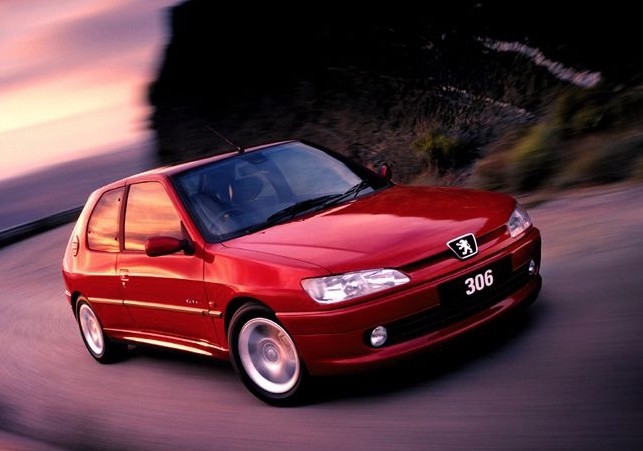
The Peugeot 306 GTI-6: The Forgotten King of 1990s Hot Hatches
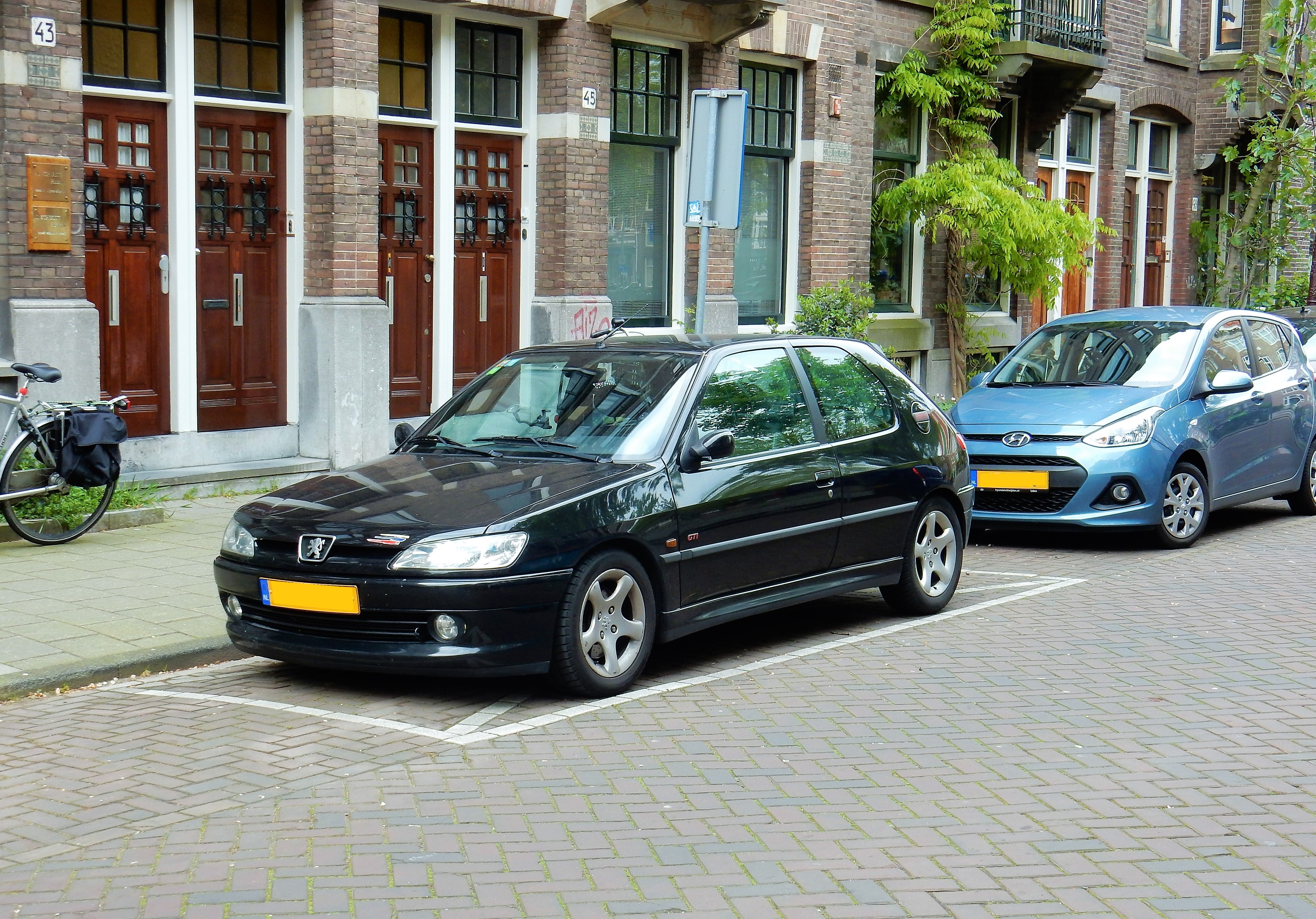
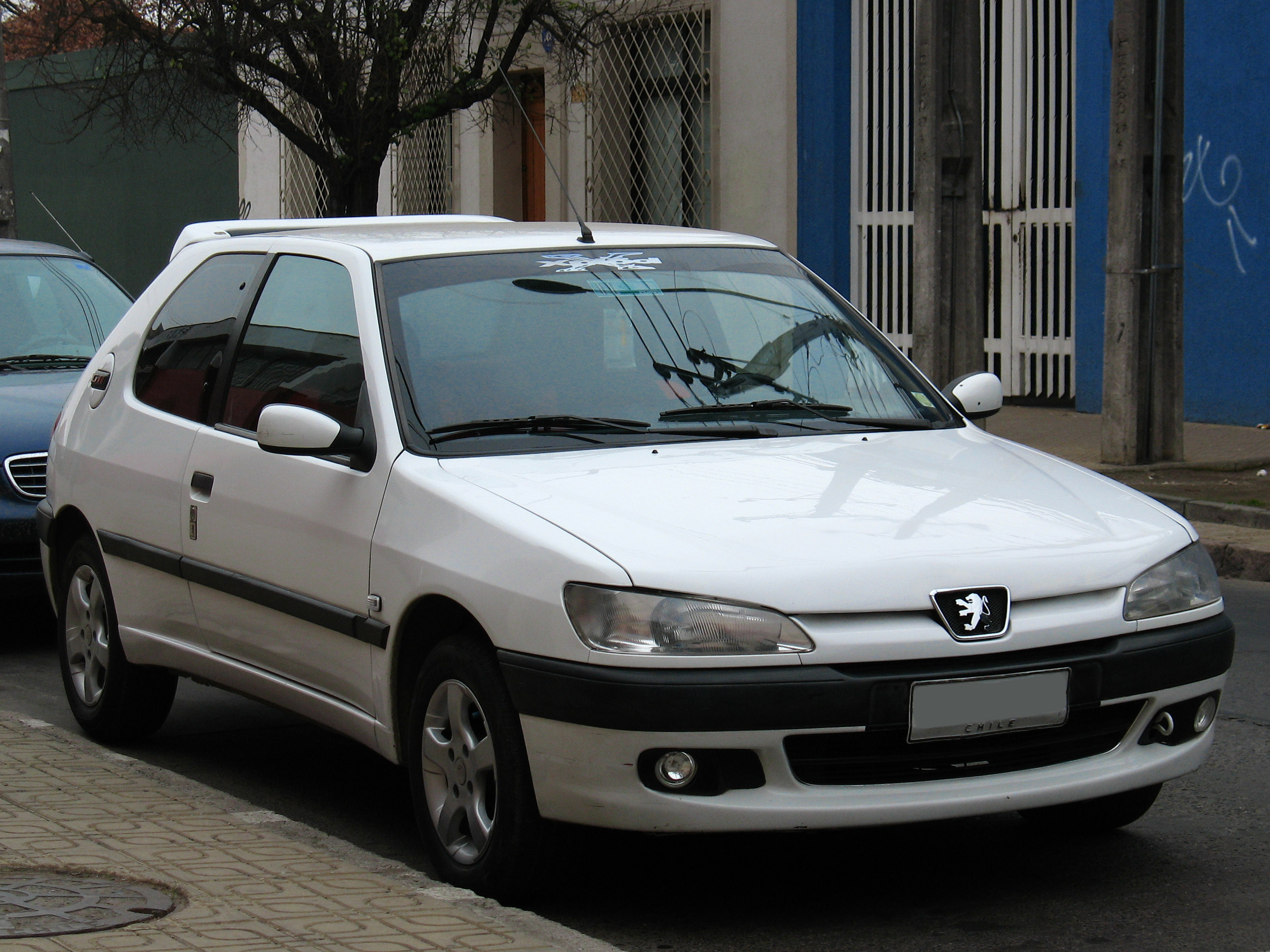
If the 1990s were the best time for hot hatches, the Peugeot 306 GTI-6 is one of the finest examples. It offered sharp handling, a high-revving naturally aspirated engine, and all the pure, old-school driving fun without any electronic help. The 306 GTI-6 came out at a time when it was up against tough rivals like the Renault Clio Williams, Honda Civic Type R, and Volkswagen Golf GTI. But it didn’t just hold its own; for a lot of fans, it set a new standard for what a front-wheel-drive performance car could do. Light on its feet, nicely balanced, and equipped with one of the best six-speed gearboxes you'll find in a hot hatch, it’s still a cult favorite today. Clean examples now go for between £5,000 and over £10,000, but what really keeps people interested isn’t the price—it’s the character you just can’t put a value on.This isn’t just some ordinary quick pocket rocket. The GTI-6 was Peugeot's last stand in the hot-hatch battles before the brand moved on to other things. It mixed that French style with real engineering skill, showing you didn't need 300hp or all-wheel drive to enjoy a great driving experience. In this look, we’ll go over its interesting history, what it’s made of, and most of all, why the 306 GTI-6 still stands out even after thirty years.
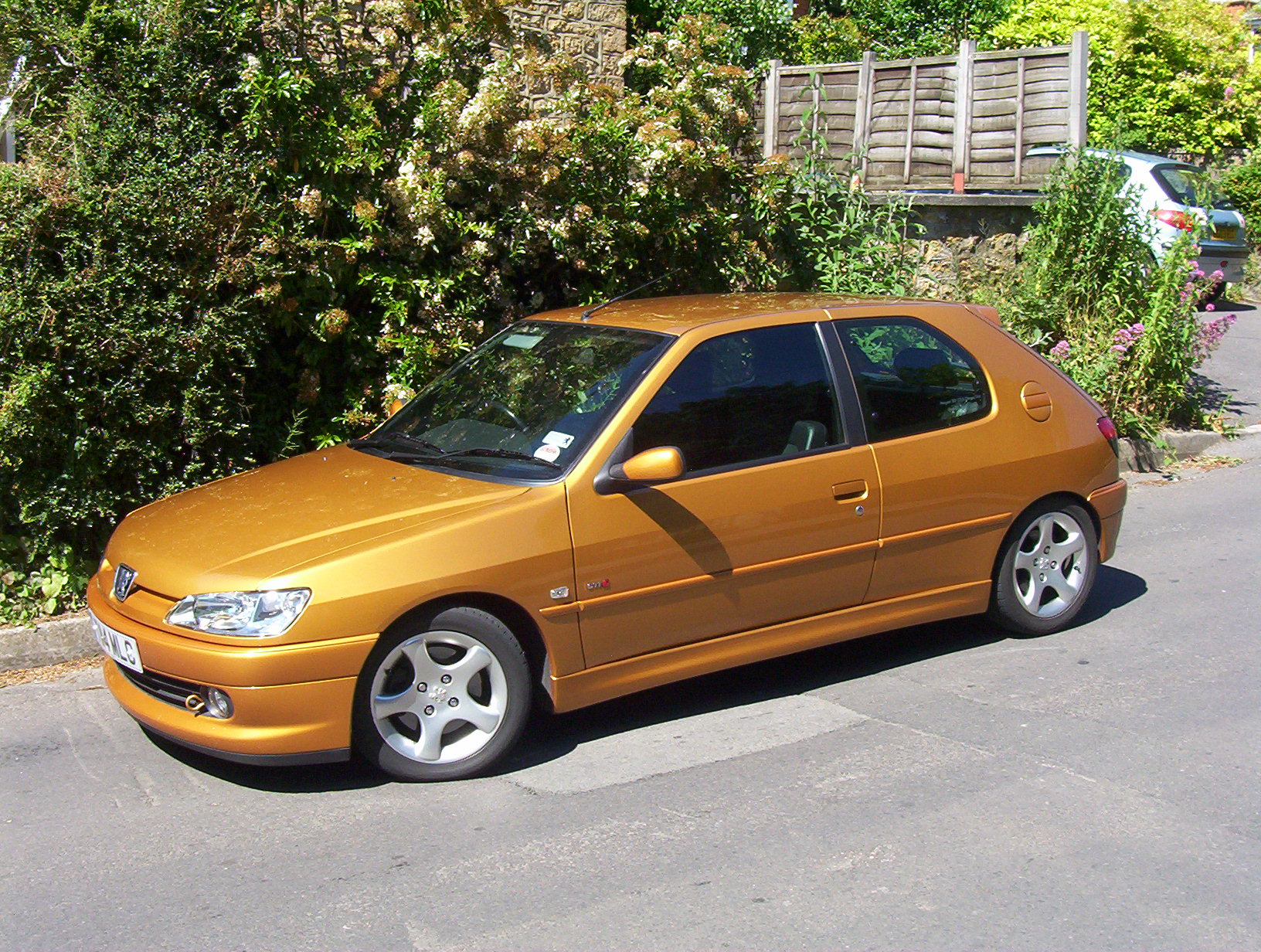
The story of the Peugeot 306 starts back in February 1993.The new 306 was meant to take over from the plain 309. It used the same platform as the Citroën ZX but had the sharp styling from Pininfarina that made the 205 and 106 stand out.The three- and five-door hatchbacks showed up first, with saloons and cabriolets coming along in 1994.Under the skin, there was a smart setup: MacPherson struts in the front and an independent torsion-beam in the back that used compliance bushes to provide passive rear-wheel steering.It was cozy, classy, and most importantly, fun.The first performance versions showed up pretty fast.The XSi came with a 2-liter engine that had eight valves.The range-topping S16, known as the GTi in some places, came with a 1.6-litre 16-valve XU10J4 ACAV engine that produced 155bhp, paired with a five-speed gearbox.Reviews at the time praised the handling, but said the engine needed to be pushed harder and could feel a bit rough when it got to the higher speeds.Everything was different after the 1996 facelift.Peugeot came out with the GTI-6, which featured a tweaked 1998cc DOHC 16-valve engine called the XU10J4RS.The power rose to 167bhp at 6,500rpm, torque went up to 193Nm at 5,500rpm, and most importantly, it got a close-ratio six-speed manual gearbox (BE3/6).This was a pretty big deal since it was one of the first regular hot hatches to come with six forward ratios.The engine ran smoother and felt more flexible. It was also placed a bit further back to improve weight distribution. Small changes to the chassis made the car turn better without making the ride harsh.The GTI-6 went on through Phase 2 in 1997 and Phase 3 in 1999, getting some style updates like brighter headlights, new bumpers, and better interiors. But the mechanical parts stayed the same until they stopped making it around 2000 to 2001.In 1998, a stripped-out Rallye version came out for the UK, with about 500 to 501 units made.They got rid of the air-con, electric windows, and sound deadening, cutting around 65kg to keep it more focused.Peugeot was also interested in motorsports.The 306 Maxi rally car showed what the platform could do in Group A and the French championships.In touring cars, the GTI-6-based models led the BTCC Production class during 2000–2001 and went on to win several endurance and national championships.It was really a homologation hero, just hiding in plain sight.
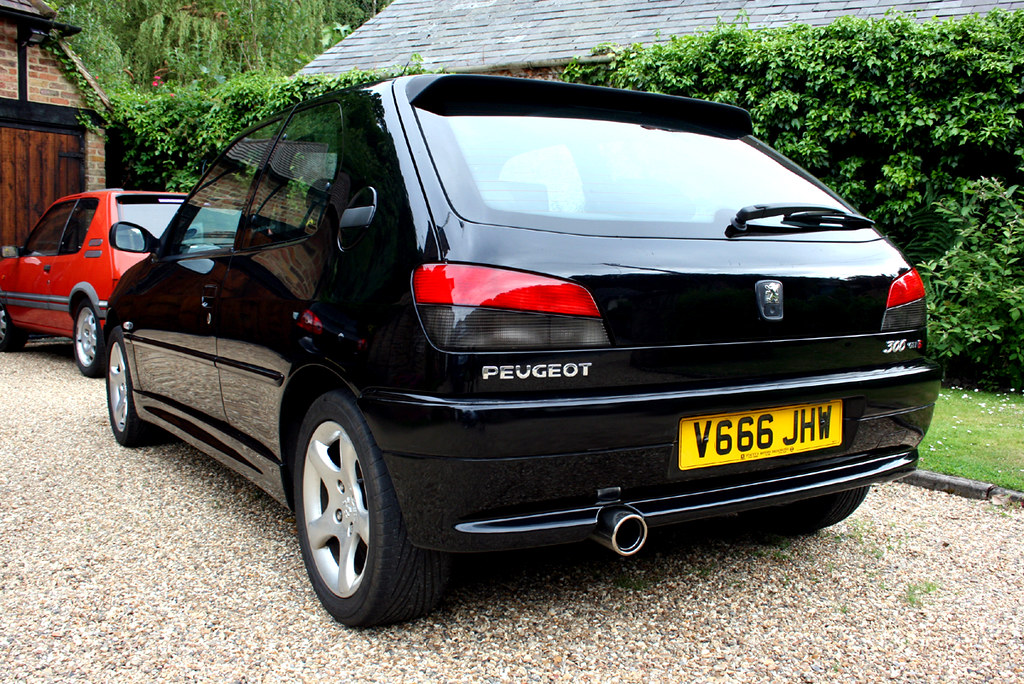
Specifications: Lightweight, Revvy, and Perfectly Geared
At the core, it has one of Peugeot’s best engines: the XU10J4RS. It’s a 1,998cc inline-four with twin camshafts, 16 valves, Magneti Marelli injection, and a compression ratio of 10.4 to 1It puts out 167bhp (165–167 PS depending on the market) at 6,500rpm and 142lb ft (193Nm) of torque at 5,500rpm.Redline is set at a solid 7,200rpm.There’s no turbo lag or flat spots—just smooth, steady power that feels great when you rev it.The drive shifts through a six-speed manual with short, crisp throws and tight ratios that keep the engine in its sweet spot.The official performance numbers were pretty modest: 0 to 62 mph in 8 seconds.It goes from zero to 60 in 5 seconds and can reach a top speed of 135 mph.Independent tests often reached a score of 7.The final score was 8–8.In just 1 second, though some magazines say it can be as fast as 7.7 seconds.The kerb weight for the standard GTI-6 is 1,214kg, while the Rallye version is about 1,163kg.The power-to-weight ratio is a solid 140bhp per tonne, and it jumps to 146 for the Rallye.The suspension is classic Peugeot: MacPherson struts with an anti-roll bar in the front and a torsion-beam setup at the back.The brakes are ventilated discs on all four wheels, with bigger ones on the later models, and the steering is power-assisted but still feels nicely balanced.Fuel economy stayed around 32 to 35 mpg combined, which was pretty decent for that time.The GTI-6 had a simple but confident look: 15- or 16-inch alloy wheels, usually with “cyclone” patterns, a quiet bodykit, twin exhausts, and those classic white-faced dials inside.The Rallye came with graphics, cloth seats, and a plastic steering wheel to give it a simple, no-frills feel.
Why the 306 GTI-6 Was (and Still Is) So Good This is where the GTI-6 really stands apart from the others.It might not have been the quickest hot hatch of the 1990s – that was probably the Escort Cosworth or Civic Type R EK9 on paper – but when you’re actually behind the wheel on everyday roads, it was easily one of the most fun to drive.The chassis really takes center stage.The long-travel suspension smooths out bumps that would shake most modern hatches, but the body control still feels really solid.When you turn in, the front end grips right away; the steering feels light but gives you plenty of feedback, so you can position the car exactly where you want it.The rear torsion beam gives a bit of passive rear steer, so when you ease off the gas in the middle of a corner, the back end softly rotates. It’s that classic lift-off oversteer that makes you feel confident and in control without ever catching you off guard.Evo magazine got it right when they said the 306 is quick and smooth, but to really get the most out of it, you’ve got to stay sharp. You can actually push it a bit and enjoy some serious, thrilling oversteer.The engine matches it well, running smoothly and packed with torque, yet still lively enough to rev high and put on a bit of a show.Top Gear said it was “a balm for the senses” – simple, without wings, just pure driving fun in a car that weighs between 1,125 and 1,214kg, depending on who you ask.The engine really draws you in.It doesn’t have a lot of punch at low rpm, but it comes to life nicely around 3,500rpm and really starts to hum from 4,500rpm right up to the redline.That deep, rough 16-valve roar through the twin exhausts is something you just have to hear to believe.The six-speed ’box is so smooth that you end up shifting gears just for fun—something reviewers kept calling revolutionary back in 1996.Compared to its rivals, the GTI-6 felt more grown-up than the small 106 Rallye but still had a livelier vibe than the Golf GTI Mk3.It had the nimbleness of the Clio Williams but without the torque-steer problems, and it felt way more interesting than the Civic.The ride quality was top-notch – you could really drive it every day without messing up your back.Early cars didn’t have traction control or ABS, though those were added later, and there were no nanny systems at all.It's just you, the car, and the road ahead.Owners keep talking about the transparency – you can really feel every surface and how the weight shifts.The long-travel suspension really holds onto the road well on rough B-roads, but it still feels smooth and comfortable.That's why the 306 GTI-6, especially the Rallye, remains a favorite for track days even now.
The Rallye Variant: Back-to-Basics Brilliance
If the GTI-6 was great, then the 1998 Rallye was the pick for those who wanted the purest experience.Dropping 65kg by cutting out the extras made it faster and more responsive, hitting 0 to 62mph in about 7 seconds.It lasts about 8 seconds and feels even more intense.The interior was straightforward with solid colors, and the Rallye graphics gave it that same spirit you'd find in the 205 and 106 Rallye models.A lot of fans say the Rallye hits the sweet spot because it has the same great engine and chassis but weighs less and cost less when it was new.
Ownership Today: What to Look For
Good 306 GTI-6s are becoming harder to find, but they’re still cheaper than a Clio Williams or an EK9 Type R.You can expect to pay around £4,000 for a project car, between £6,000 and £8,000 for a reliable driver, and over £10,000 for a clean, low-mileage model or a Rallye.Rust is the main problem, so make sure to check the rear arches, sills, floorpans, and boot floor carefully.The cambelt and water pump need to be replaced every 60,000 miles, or earlier if you're not sure about their condition.Timing-belt tensioner problems, worn bushes, and old dampers are pretty common, but they usually don’t cost much to fix.The good news is?There are plenty of parts available, and the community around the 306GTI6 is really passionate.Com forums are really valuable, and the running costs are pretty low.A well-sorted example can easily outshine modern hot hatches on a twisty road and still manage to get over 30mpg.
Legacy: Why the GTI-6 Still Matters
The Peugeot 306 GTI-6 came out at the right time. It was one of the really fun cars that were light and easy to drive. The Peugeot 306 GTI-6 showed that Peugeot is great at making cars handle well. It has one of the front wheel drive systems ever made.
When the Peugeot 307 came out in 2001 there was no Peugeot 307 GTI. The fun was over for a while.. Then the Peugeot 308 GTI, by Peugeot Sport brought back the GTI name.
Nowadays cars are really powerful. Have four wheel drive. They are so powerful that they are hard to drive on roads. The Peugeot 306 GTI-6 feels like a friend. It reminds us why we like cars that're fun to drive. We like them because they are fun to drive on curves and corners not just because they're fast.
If you have not driven a Peugeot 306 GTI-6 you should try to find one and take it for a drive. You will see why people still love the Peugeot 306 GTI-6. The Peugeot 306 GTI-6 is not a car. It is a reminder that simpler cars are more fun.