The Modern Car Trap in Europe: Surveillance, Fragile Tech, Rapid Depreciation of New EVs, and Why 1996–2010 Cars Are the Smarter, Greener Choice

In March 2026 buying a car in Europe is a lot like signing a contract on a computer. When you get into a brand Volkswagen ID.3, Tesla Model Y, BMW i4 or Mercedes EQE you will see a big screen that asks you to agree to some terms. These terms are for things like ConnectedDrive and Mercedes me connect Privacy Notice. You have to tap "Agree" to use the navigation, the air conditioning and some other important features. If you do not agree the car will still. You can drive it but you will get annoying messages on the screen.. If the screen breaks it can be very expensive to fix.
If the screen breaks it can be very hard to use the car. You will not be able to use the camera and it will be hard to change the temperature in the car. The radio and other controls will not. In some cases the cars safety features will not work either. Fixing the screen can cost a lot of money between €1,000 and €3,500. This is because the screen is a part of the cars system.
New cars also keep track of how you drive. They can see if you are braking hard speeding or driving in a way that's not safe. This information is sent to the cars manufacturer. It can be used to make the car better.. It can also be used to share your information with other people, which can be a problem.
New electric cars are also losing their value quickly. In 2025 and 2026 the price of used cars in Europe went down by 7-9%. This means that if you buy an electric car it might be worth much less in a few years. This is because new electric cars are coming out with batteries and more features so the old ones are not as valuable.
Older cars, from 1996 to 2010 are not like this. They do not have all the technology so they are not as expensive to fix. They also do not keep track of how you drive so you have privacy. These cars are also better for the environment because they are already made and do not need to be produced. They just need fuel, regular maintenance and some basic repairs.
These older cars are also very strong. Can last for a long time. They have engines and do not have all the complicated electronics that new cars have. This makes them easier to fix and more reliable. They also have safety features like airbags and anti-lock brakes which makes them safe to drive.
This guide will talk about all these issues and more. It will look at the problems with cars like surveillance and fragile touchscreens. It will also look at the benefits of cars, like their environmental advantages and durability. Finally it will give some recommendations for the older cars to buy in Europe.
The Surveillance and Privacy Reality in European Connected Cars Telematics started in a way with BMW Assist in 1997 and Mercedes TeleAid in 1999. These were mainly for emergencies.
In the 2010s things changed with services like BMW ConnectedDrive and Mercedes me connect, which started around 2009.
VW also had Car-Net and other companies had services.
These services collect data in time.
They look at how you drive and use that information for insurance or to help car makers improve their products.
There's a rule called GDPR that says companies can't share your data without your permission.
Sometimes when you use an app or get a prompt you have to agree to a lot of things at once.
If you don't want to share your data you might miss out on some features.
If you do agree then your data is used to give you personalized services.
Cars made before 2010 don't have this kind of technology.
They don't send information about how you drive.
So your privacy is safe with cars.
The data collected includes driver-behavior metrics which are used by insurers or car makers.
Companies provide insurer schemes or manufacturer analytics using the data.
The GDPR helps to prevent -consensual sharing of data.
Connected features often need consents.
These consents are usually buried in apps or prompts.
Refusing data sharing locks out some perks.
Accepting data sharing enables data flows, for services.
Pre-2010 cars do not have TCUs.
These cars do not routinely transmit driving habits.
Privacy remains intact for cars.
Touchscreen Dependency: A Modern Vulnerability In the 2020s cars have started to put all the controls on touchscreens. This means that European cars have a lot of information on these screens including pop-ups that keep coming up to remind you of terms. The problem with cars is that if the screen breaks it can be really hard to use the car.
European cars can be expensive to repair because everything is connected so you cannot just replace a switch.
Older European cars are different they have physical parts. If something breaks on a car you can often fix it for between 20 and 100 euros by getting a replacement part, from a breakers yard.
Financial Pitfall: Depreciation Hits New EVs Hardest
When you buy a car the value of the car is going to go down. This is something that always happens.. With electric vehicles or electric vehicles this process is happening faster in Europe from 2025 to 2026. If we look at the numbers we can see that after three years the value of a vehicle goes down by thirty eight to forty two percent. This is a lot. In the United Kingdom some people have even seen the value of their vehicle go down by more than fifty percent.
For cars that run on petrol or diesel the value goes down by thirty five to forty percent after three years. This is still a lot,. Not as much as electric vehicles. In 2025 the price of used vehicles went down by seven to nine percent. This was a drop. In 2026 the price was a little more stable. It was still changing a lot. There are a reasons for this. One reason is that new electric vehicles are coming out with technology so the old ones are not as good anymore.
Another reason is that people are worried about the batteries in vehicles even though they usually last for eight to ten years. Some companies are also getting rid of their electric vehicles, which adds to the problem.. To make things worse the government is not giving as much money to help people buy electric vehicles. So if you buy an electric vehicle for fifty thousand euros it might only be worth twenty thousand to thirty thousand euros after three years. This is a loss. A regular car that is similar would still be worth twenty five thousand to thirty five thousand euros after three years.
Older cars, from 1996 to 2010 are not losing value like this anymore. Their value is already low two thousand to eight thousand euros for a car that is, in good condition. The price of these cars is not going down much anymore. When you own one of these cars you do not have to worry about the value going down a lot. You just have to think about how much it costs to maintain the car and buy fuel.
Environmental Edge: Used Cars Win on Carbon Footprint
Making things like cars creates a lot of stuff that goes into the air. New electric vehicles or EVs make a lot bad stuff when they are being made than regular cars do. This is because of the batteries and the energy it takes to make them. It can be one and a half to two times bad stuff. For example it can be eleven to fourteen tons of stuff for an electric car but only six to nine tons for a regular car.
If we look at the life of the car electric vehicles are actually better for the environment. They put out seventy three percent bad stuff in the air in Europe. This is because they do not use gasoline like regular cars do. It takes fifteen thousand to sixty thousand kilometers for an electric vehicle to be better for the environment than a regular car. The BMW iX3 is an example of this. It takes around twenty thousand kilometers.
When you buy a new electric vehicle you are still responsible for all the bad stuff that was made when it was being created. If you buy a used car you do not have to worry about all the stuff that was made when it was being created. This is because most of the stuff was already made a long time ago. Old regular cars do not need a lot of things to keep running. They just need fuel, repairs and oil changes. They do not need batteries or special parts.
Some studies have shown that keeping a regular car is actually better for the environment than buying a new electric vehicle. This is because it saves all the stuff that would be made when the new car is being created. Old cars from the 1990s and 2000s are actually pretty good, for the environment if you do not drive them much. You can also fix them with parts so you do not need to make new things.. You do not need to replace the batteries, which is a big plus.
Engine Longevity: Naturally Aspirated and Robust Diesels Outlast Turbo Stress
1996–2010 engines like sizes think 1.6 to 3.0L petrol or 1.9 to 3.0L diesel. They make low-rev torque. No constant turbo boost means heat stress. These engines are easy to maintain; many go over 400,000 km.
Modern small turbo engines, like 1.0 to 1.5L three-cylinder ones need handling. If you neglect the oil they can fail early.
For highway driving European diesel engines are great. Think VW 1.9 TDI, Mercedes OM611/612 or Volvo D5.
As for petrol engines ones, like Toyota and Hondas VTEC models use fuel reliably.
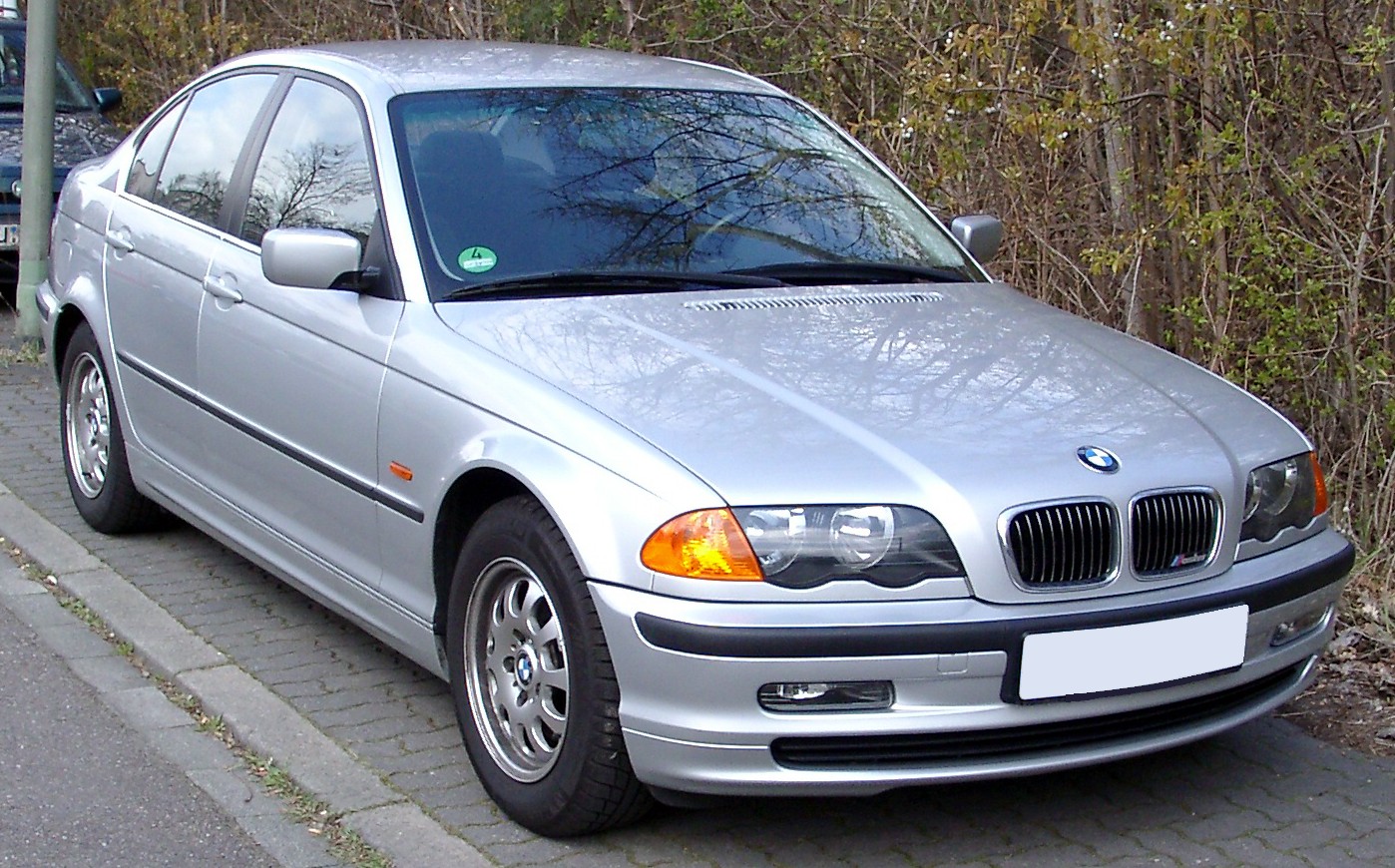
Top 1996–2010 European Recommendations (TÜV/ADAC Proven) Prices approximate 2026 used market (€, clean 150k–250k km).
Toyota Corolla (1997–2007): Indestructible 1.4–1.6 petrol/2.0 D-4D. €2,000–€5,000. Honda Civic (1996–2005): Fun, reliable 1.4–1.6 VTEC. €2,500–€6,000. Honda Jazz (2001–2008): Practical, spacious. €3,000–€6,000. Toyota Avensis (1997–2008): Family durable. €2,500–€5,500. Volvo V70 (1996–2007): Safe estate, robust D5. €3,000–€7,000. Mercedes E-Class W211 (2002–2009): Luxurious, legendary diesels. €4,000–€8,000. BMW 3 Series E46 (1998–2006): Driving joy, reliable if serviced. €4,000–€9,000. VW Golf Mk4 (1997–2005): 1.9 TDI economy king. €2,000–€5,000. Skoda Octavia 1U (1996–2010): Value, huge boot. €2,000–€5,000. Volvo S80 (1998–2006): Spacious, durable. €3,500–€7,000.
Buying and Ownership Advice
When you are thinking about buying a car it is really important to check it first. You need to look for things like rust and make sure the timing belts and suspension are in condition. It is an idea to use the checks that ADAC and TÜV do. If something is broken you can usually find the parts you need. They are not too expensive.
There are some useful websites, like Motor-Talk.de, where people talk about cars and share their experiences. If you take care of your car the maintenance cost will be around €400 to €800 every year. This is for cars that're in good condition already. Car maintenance like this is necessary for cars like these. Annual car maintenance costs, for these cars can be €400 to €800.
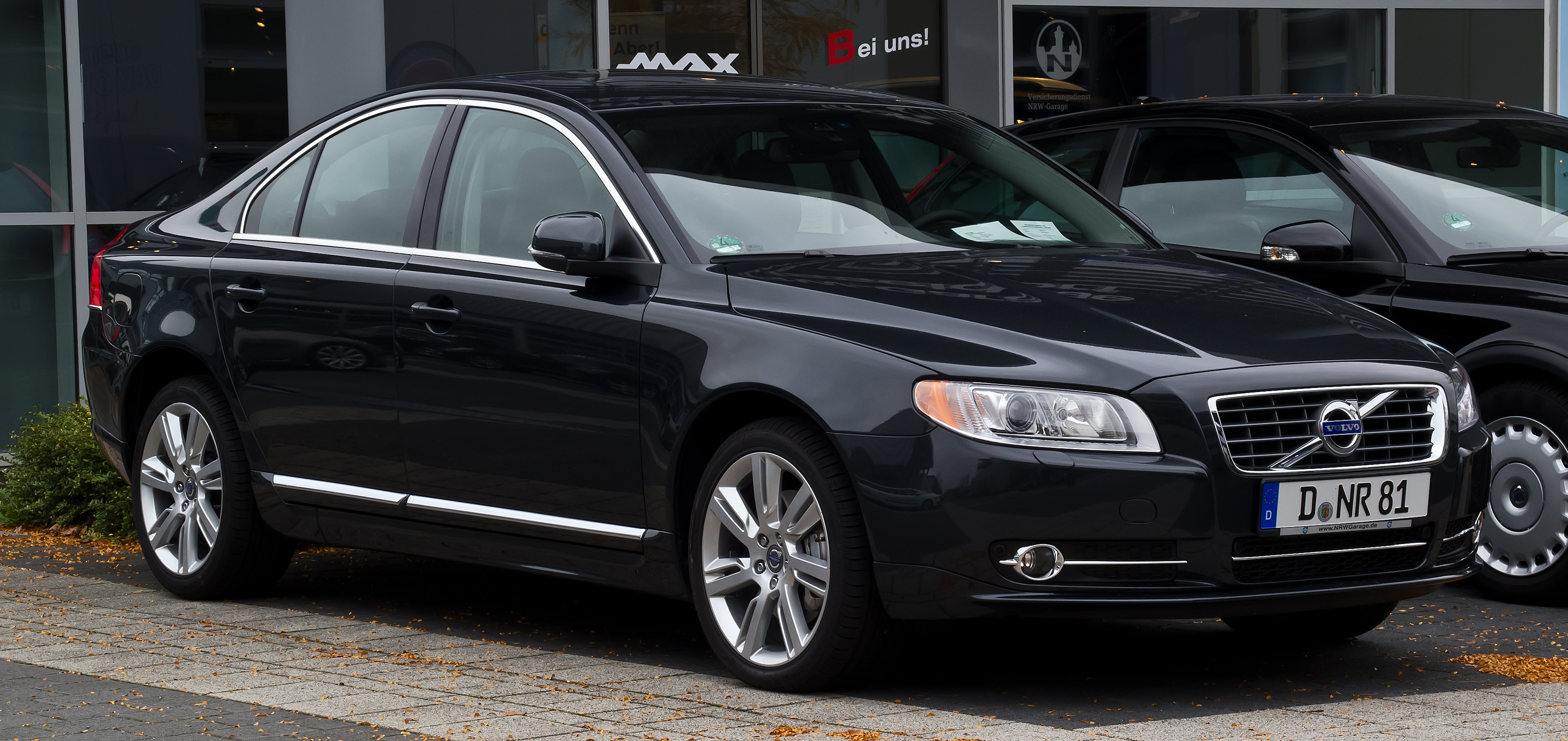
European cars come with lots of tech but they also take away your privacy have fragile screens and their electric vehicles lose value fast.
On the hand used cars from 1996 to 2010 give you back your privacy are easy to repair are financially stable and make more sense for the environment.
They are already built, have an impact on the environment over time and are known for lasting long.
Consider buying a Toyota Corolla, Honda Civic or Volvo V70.
These cars let you drive in a way last a long time and are greener, in real life.