The Mini Cooper: The Small Car That Changed the World
Few cars in automotive history have achieved what the Mini Cooper has: genuine cultural icon status combined with motorsport credibility and everyday usability. From its origins in late-1950s Britain to its modern reinterpretations today, the Mini Cooper has remained a symbol of clever engineering, driving fun, and character far beyond its size.
More than just a small car, the Mini Cooper represents a philosophy — that performance and enjoyment don’t depend on power or prestige, but on balance, innovation, and personality.
Born From Necessity, Built With Genius
The original Mini was born in 1959, created by designer Sir Alec Issigonis in response to fuel shortages and the need for affordable, efficient transport. His solution was revolutionary: a compact car with a transverse-mounted engine and front-wheel drive, maximising interior space while keeping the footprint tiny.
What began as a practical city car quickly caught the attention of racing engineer John Cooper, who recognised its untapped potential. By improving the engine, brakes, and suspension, Cooper transformed the Mini into something entirely new — a small car that could embarrass much larger, more powerful machines.
Thus, the Mini Cooper was born.
Giant Killer on the Racetrack
The Mini Cooper’s legend was cemented not on the road, but on the rally stages. Its most famous achievements came at the Monte Carlo Rally, where it won outright in 1964, 1965, and 1967. Against far more powerful rear-wheel-drive rivals, the Mini’s light weight, front-wheel traction, and agile handling proved devastatingly effective.
These victories didn’t just boost Mini’s reputation — they changed motorsport perceptions. The idea that a small, affordable car could beat exotic machinery reshaped how performance was defined.
The Mini Cooper wasn’t fast in a straight line. It didn’t need to be.
What makes the Mini Cooper special — even today — isn’t raw performance figures. It’s how the car feels.
The short wheelbase, light weight, and direct steering create a driving experience that’s immediate and involving. Turn the wheel and the car reacts instantly. Every input matters. Every corner feels like an event.
This is why classic Minis are still so beloved. At sensible speeds, they deliver more feedback and engagement than many modern cars can manage at twice the pace. The Mini Cooper teaches drivers to carry momentum, to be smooth, and to enjoy the road rather than chase numbers.
A Design That Never Aged
Visually, the Mini Cooper achieved something extremely rare: timelessness.
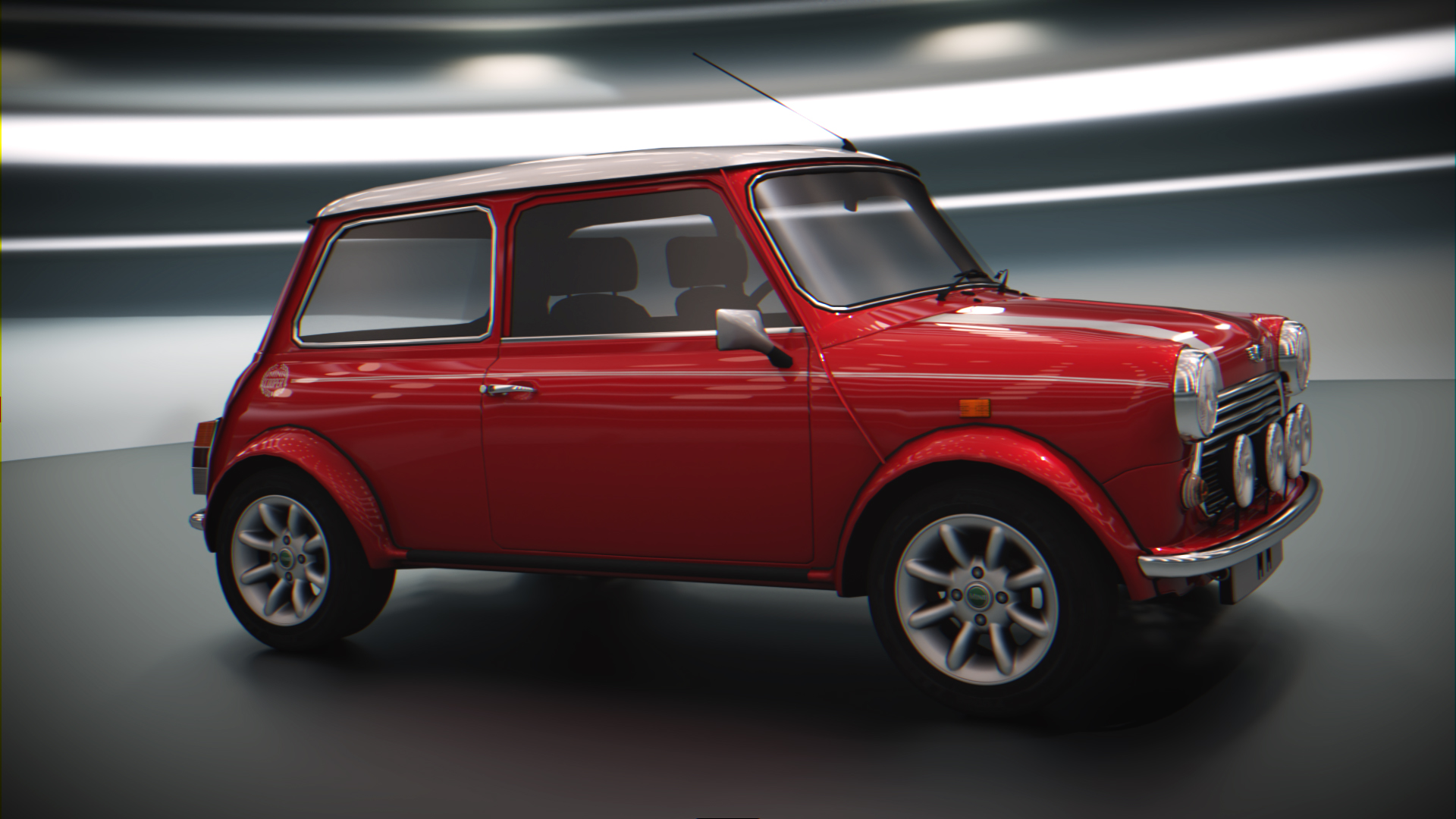
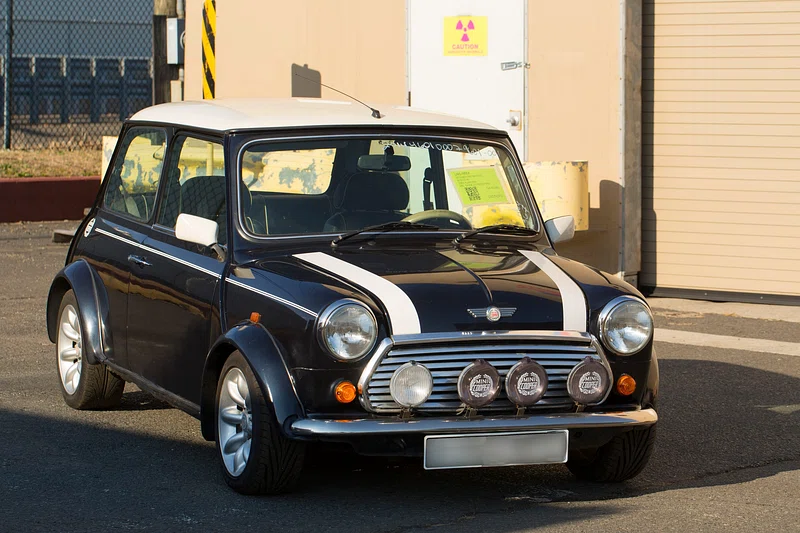
Its upright stance, contrasting roof, circular headlights, and compact proportions are instantly recognisable across generations. The design is friendly yet purposeful, charming yet functional. It doesn’t rely on aggression or excess — just honesty.
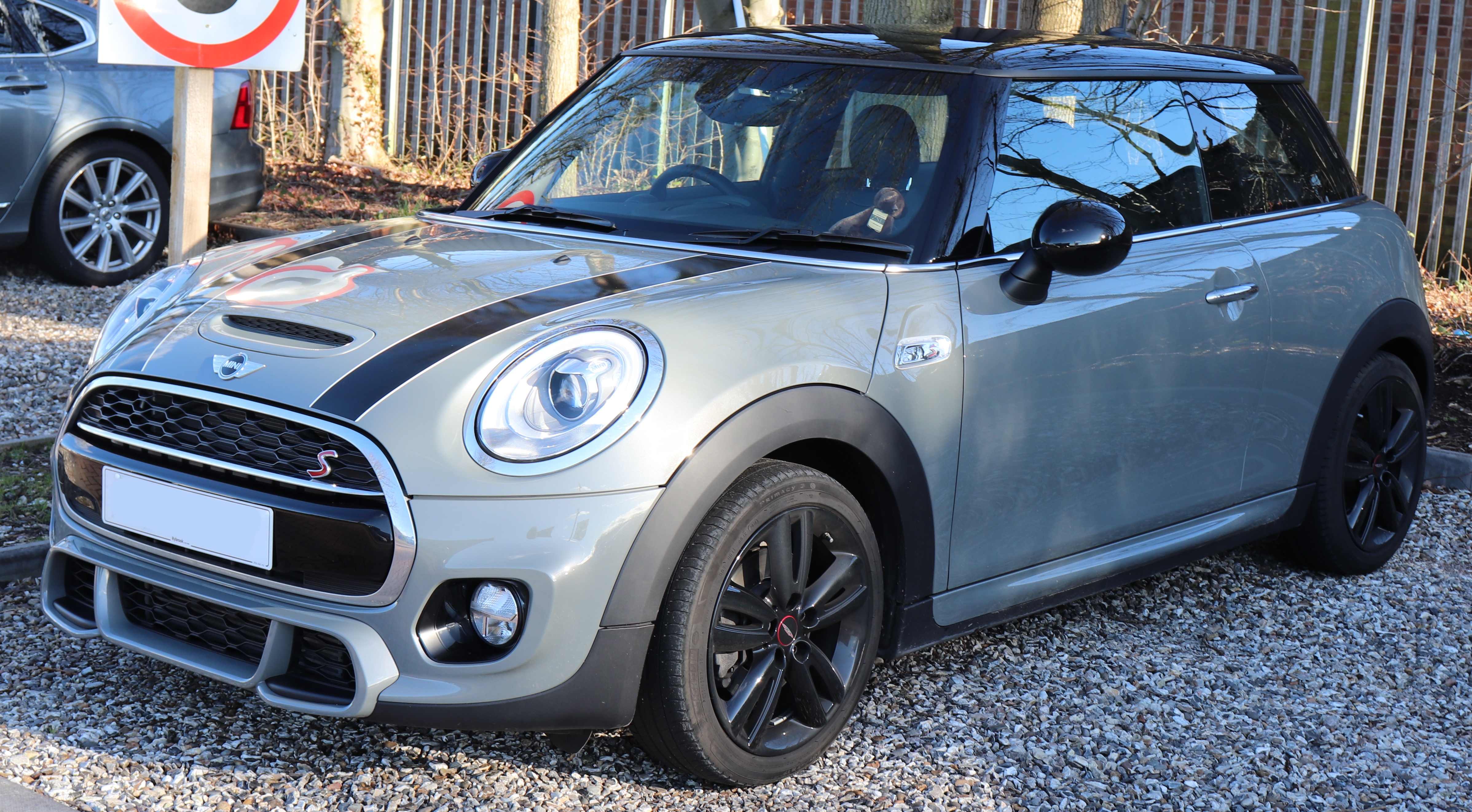
Even the modern BMW-era Mini Cooper retains clear visual links to the original, a testament to how perfectly the initial design was resolved. Few cars can claim that kind of continuity.
Cultural Icon Status
Beyond engineering and motorsport, the Mini Cooper became deeply embedded in popular culture. It appeared in films like The Italian Job, was driven by musicians, actors, and royalty, and became a symbol of 1960s British confidence and creativity.
It wasn’t a car associated with wealth or status. It was associated with attitude.
That accessibility helped the Mini Cooper transcend generations, remaining relevant long after many contemporaries faded into obscurity.

When BMW revived the Mini in the early 2000s, expectations were high — and risky. Yet the modern Mini Cooper managed to strike a delicate balance between heritage and modernity.
While larger and heavier than the original, modern Minis still prioritise sharp handling, distinctive design, and driver enjoyment. They remain among the most engaging small cars on sale, proving that the Cooper philosophy still works in the modern era.
Why the Mini Cooper Still Matters
The Mini Cooper matters because it changed how cars were designed, how performance was measured, and how drivers connected with machines. It proved that innovation beats brute force, that clever packaging can redefine an industry, and that fun doesn’t require excess.
More than sixty years on, the Mini Cooper isn’t just remembered — it’s still celebrated, raced, restored, and driven daily.
And that’s the true mark of a great car: not just that it was important once, but that it continues to matter today.