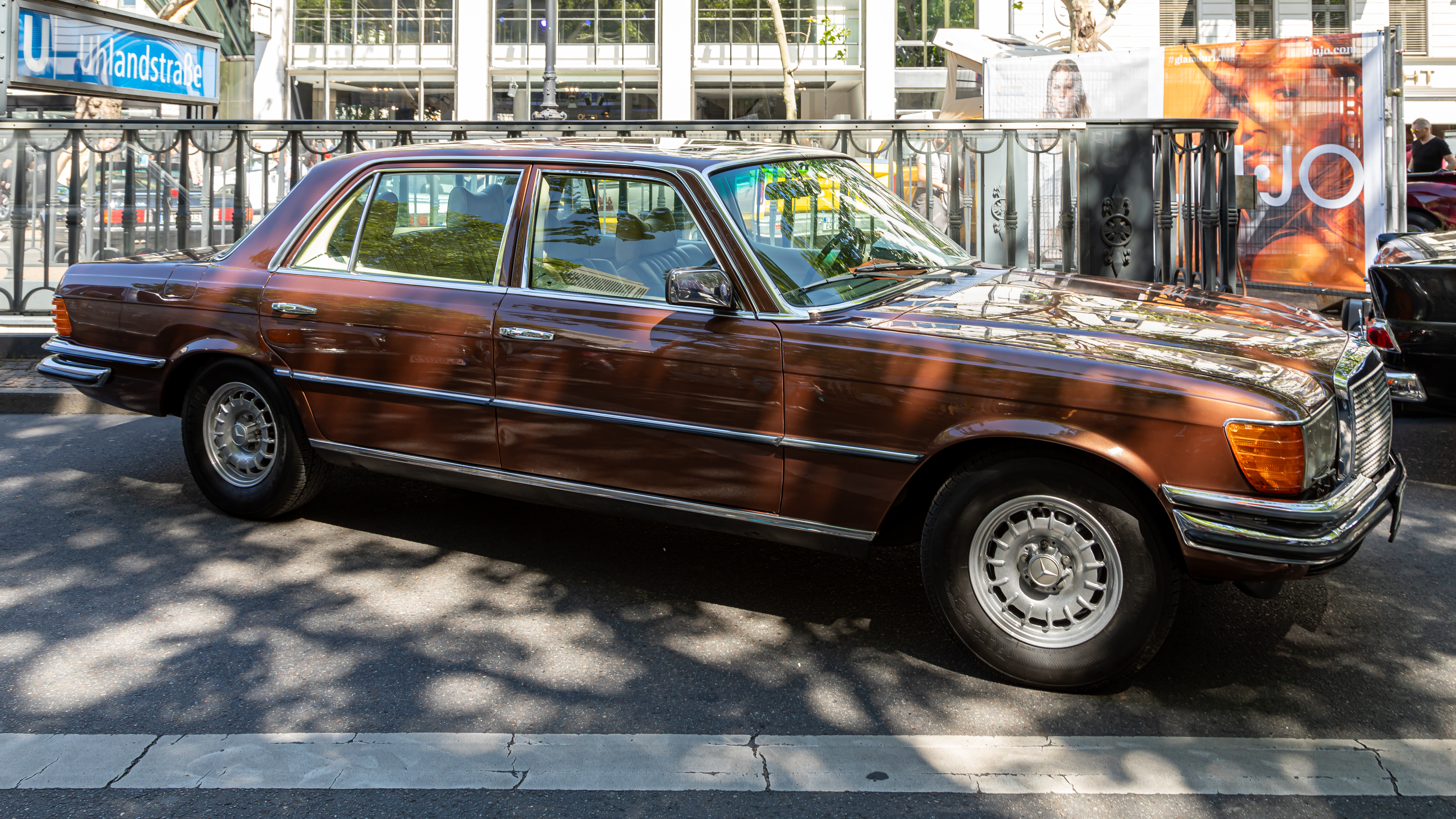
The Mercedes-Benz 450 SEL 6.9: Engineering Excess, Timeless Luxury, and Enduring Legend
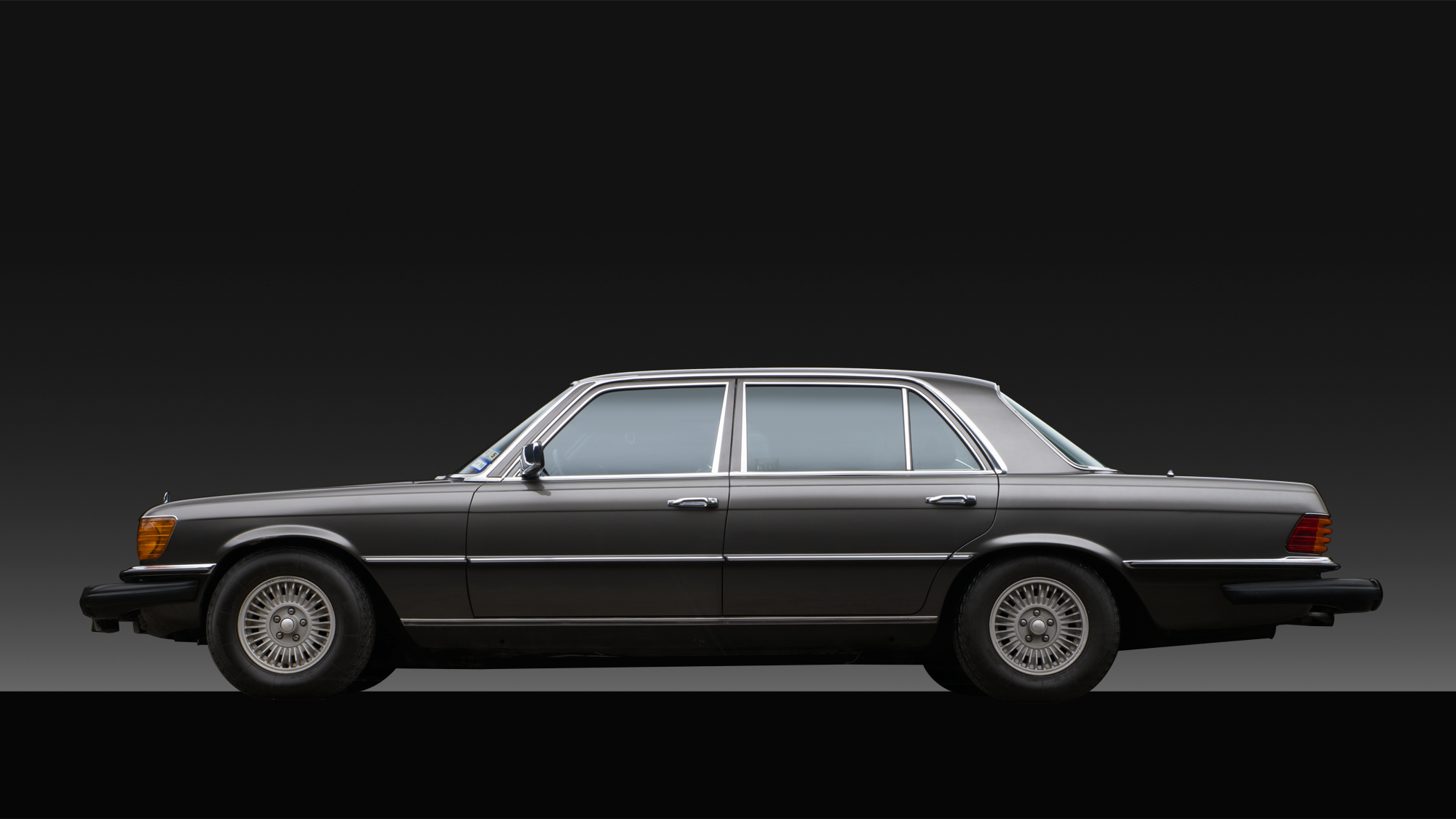
The Mercedes-Benz 450 SEL 6 was introduced in February 1975 as the standout model of the W116 S-Class generation.The car is often called the 450SEL 6.9.The 9) is one of the boldest and most respected luxury saloons ever made.Back in 1973, when the oil crisis hit and gas was hard to find, along with new limits on how fast you could go, Mercedes-Benz still went all out: they packed in a huge V8 engine, cutting-edge tech for the time, and made sure the ride was as comfortable as ever.Back when it came out, many reviewers called it "the best car in the world." This rare flagship blended raw power with smooth luxury, and it built a loyal fan base that’s still going strong even 50 years later.
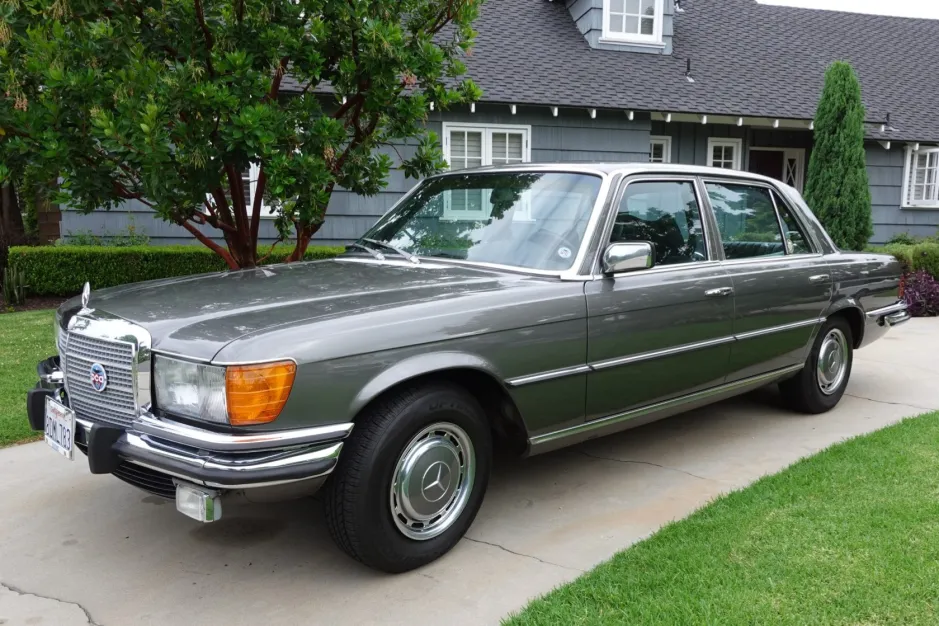
The W116 platform, which was the first Mercedes to officially use the "S-Class" name starting in 1972, focused on making the car safe, long-lasting, and giving it a sense of prestige.The 450 SEL 6.Nine of them had the long-wheelbase SEL version, which stretched to 5,060 mm overall and had a 2,960 mm wheelbase. This gave the back seat plenty of room—almost like sitting in a limousine in a regular four-door sedan.
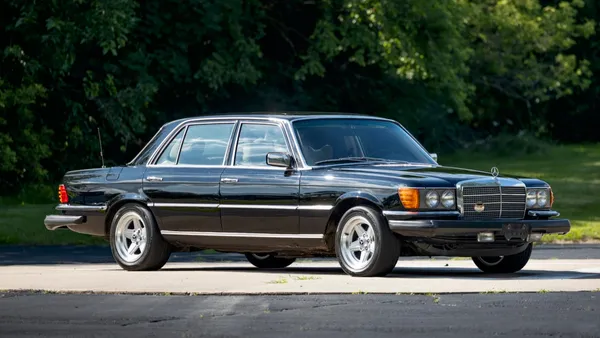
The exterior was simple but striking: sharp lines, chrome details, a strong Mercedes grille, and a small "6" badge.There are nine badges on the trunk.The flared arches and strong stance gave a clear sign of the power waiting under the hood.The interior was a true example of luxury, with soft leather seats, rich wood details, thick wool carpets, and plenty of space for five people.The car came with air conditioning, power windows, central locking, and advanced headlamp washers, which were really ahead of their time back in the mid-1970s.
Technologically, it was the first time Mercedes introduced several new features in their passenger cars. The hydropneumatic self-leveling suspension, borrowed with permission from Citroën, gave the ride a smooth, comfortable feel. It smoothed out bumps no matter how fast you were going and kept the car steady at all times.It was the first Mercedes to come with Bosch ABS anti-lock brakes as standard right from the start, which really helped improve safety during sudden stops.Even though it weighs nearly 2 tons, about 1,985 kg, the chassis and weight distribution made the car handle pretty well for something that big.
The famous M100 V8 engine got its power from an enlarged version of the M100 V8, which was originally based on the 600 Grosser's engine. It had a displacement of 6,834 cc, though it was mostly marketed just as 6.9 liters.In the European version, it made 286 hp (210 kW) at 4,250 rpm and a hefty 550 Nm (406 lb-ft) of torque at 3,000 rpm.In North America, the versions were adjusted to meet emissions standards, bringing the power down to about 250 hp and 488 Nm.
It came with a three- or four-speed automatic transmission, usually paired with a limited-slip differential, and could go from 0 to 100 km/h in about 7 seconds.It could go from zero to 100 km/h in just 4 seconds and hit a top speed of 225 km/h, matching up with plenty of sports cars from that time.The engine was known for running smoothly, pulling strong at low speeds, and making passing other cars on the open autobahns feel easy.The fuel consumption was pretty high, around 20 to 25 liters per 100 kilometers, but these vehicles lasted a long time. With good maintenance, many have reached 300,000 to over 500,000 kilometers because they were built tough and had strong parts.
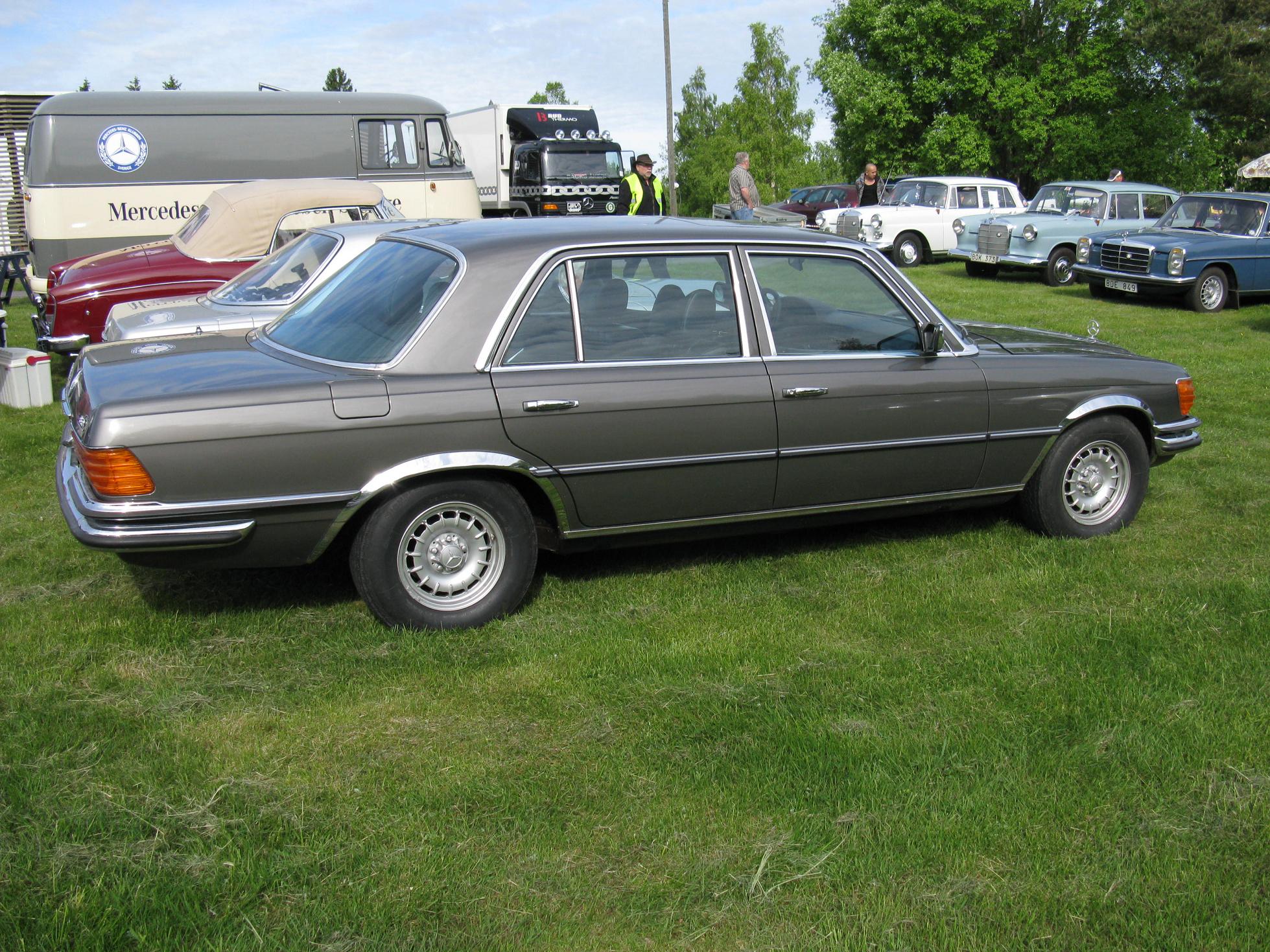
The production of this model took place at Mercedes' Sindelfingen plant from February 1975 until September 1980. Each car was hand-assembled, and only 7,380 were made worldwide during that time.Out of these, around 1,816 ended up in North America, where they were just called the "6."The number 9 from 1977 to 1981.
In Germany, the original sale price started at DM 69,930 in 1975 and went up to DM 81,247 by 1980.This put it 25,000 to 30,000 DM higher than a regular 450 SEL, making it more in line with the price of exotic performance cars instead of typical luxury sedans.In today's money, that's about €200,000 to €250,000 when you account for inflation.The high price, along with worries about fuel, was why production was kept limited on purpose.
Cinematic Fame: Paris Run and Riviera Mayhem The 450 SEL 6The myth of 9 kept growing because of movies.In Claude Lelouch's 1976 short film C'était un rendez-vous (sometimes known as "C'est les rendez-vous"), he attached a camera to his own 450 SEL 6.A 9-minute ride through empty Paris streets at dawn, all in one go, hitting speeds over 200 km/h.The hydropneumatic suspension made the footage really steady, even though the audio was replaced with Ferrari V12 engine sounds to make it more exciting.This bold, illegal short film quickly gained a cult following among fans in the underground scene.
It became widely known after appearing in the 1998 thriller Ronin, directed by John Frankenheimer, who was a big Mercedes fan and even owned a 6.9 himself).In the film’s first big chase scene, which takes place near Nice in the South of France, there’s a black 450 SEL 6.The 9 is the spare car for Robert De Niro’s character, Sam, who used to work for the CIA, and Jean Reno’s character, Vincent, the calm French expert.Jean Reno is mostly driving during the wild chase, while De Niro sits beside him—famously hanging out of the sunroof with a rocket launcher, shooting at the cars behind them, like a Citroën XM and some Peugeot 605s.The sequence shows the 6.The 9's agility shows in quick tail slides that grab your attention, the rear tires smoking as they grip the road, and a smooth spin from reverse to forward without the wheels stopping. Plus, it handles high speeds steadily thanks to its self-leveling suspension.Frankenheimer wanted real stunts—no CGI allowed—and had pros like former F1 driver Jean-Pierre Jarier doing most of the driving.The result still stands as one of the most genuine and exciting car chases in cinema.
Some well-known people owned the car because it mixed style, power, and status so well. Frank Sinatra had one, which fit perfectly with his cool and smooth persona.F1 champions James Hunt, who drove the brown model with steel wheels, and Emerson Fittipaldi both took them out on the track.Arnold Schwarzenegger was photographed with his family in 1977.Others were Sophia Loren, David Bowie, the French singer Claude François, and later on, Bono from U2.These owners made sure it kept its reputation as a luxury car for people who really think about performance.
The 450 SEL 6 has long been a classic, and looking at its current prices in Europe shows just how much value people still see in it today.The 9 is a true collector’s favorite because it’s rare, has a strong history of engineering, and shows up in pop culture.Condition matters a lot: working hydropneumatics can get pricey if the spheres go bad, rust-free bodywork is especially important in northern Europe, and having a documented history usually means you’ll pay extra. As of early 2026, information from sites like AutoScout24 and mobile sources shows the current trends.According to The Classic Valuer and recent auctions, cars in driver-quality condition or those with higher mileage between 100,000 and 150,000 km usually sell for around €40,000 to €60,000.Well-kept cars that come with service records usually sell somewhere between €50,000 and €85,000.Clean, low-mileage cars with less than 80,000 km, or ones that have been fully restored to concours quality, sell for around €90,000 to over €120,000. The best auction prices recently have been in the range of €92,000 to more than €100,000.For some context, the standard W116 450 SEL models don’t have the 6.You can expect to get between €15,000 and €35,000 for one in similar condition.
Cars from southern Europe like Italy, Spain, and France that don’t have rust usually cost a bit more. At the same time, German cars with Mercedes Classic certification tend to keep their value well.The 450 SEL 6.The 9 might not be practical by today's standards—it’s heavy, guzzles fuel, and needs a lot of upkeep—but it gives you something you just can’t get elsewhere: smooth cruising, easy power, and the pure joy of driving a piece of automotive history.In a time when hybrids and touchscreens are everywhere, it still stands as a stubborn symbol of what engineers can achieve.