The Best 1980s Hot Hatchbacks to Buy in Europe
The 1980s were a defining decade for performance cars, but nowhere was the impact felt more strongly than in the rise of the hot hatchback. Manufacturers discovered that by combining lightweight bodies, punchy engines, and clever suspension tuning, they could deliver genuine driving excitement in cars ordinary people could afford.
Prices, Drivability and Why They Still Matter Today
The 1980s were a defining decade for performance cars, but nowhere was the impact felt more strongly than in the rise of the hot hatchback. Manufacturers discovered that by combining lightweight bodies, punchy engines, and clever suspension tuning, they could deliver genuine driving excitement in cars ordinary people could afford.
Fast forward to today, and these once-humble hatchbacks have become highly desirable modern classics. They still deliver something many modern cars struggle to replicate: simplicity, feedback, and fun at sensible speeds. For European buyers, the best 80s hot hatches also offer relatively manageable ownership costs, strong parts availability, and rising collector appeal.
This guide explores the best 1980s hot hatches you can buy in Europe today, with realistic euro price ranges, honest drivability assessments, and ownership insight to help you choose the right one.
Why 80s Hot Hatches Still Work on Modern Roads
What makes an 80s hot hatch special isn’t raw speed. By modern standards, even the quickest examples are modest. What sets them apart is how they deliver performance.
Most weigh under a tonne. Steering is unassisted or lightly assisted. Gearboxes are mechanical and tactile. There are no driving modes, no stability systems, and no filters between you and the road. The result is a driving experience that feels intimate and rewarding even at everyday speeds.
On Europe’s narrower roads — especially in countries like Portugal, Spain, France, Italy, and the Netherlands — these compact dimensions and light weights feel perfectly suited.
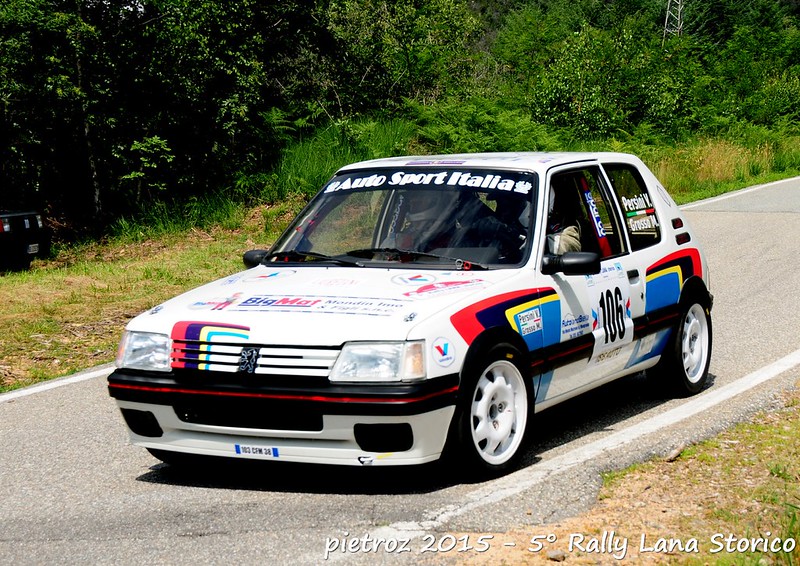
Peugeot 205 GTI (1984–1994): The Benchmark
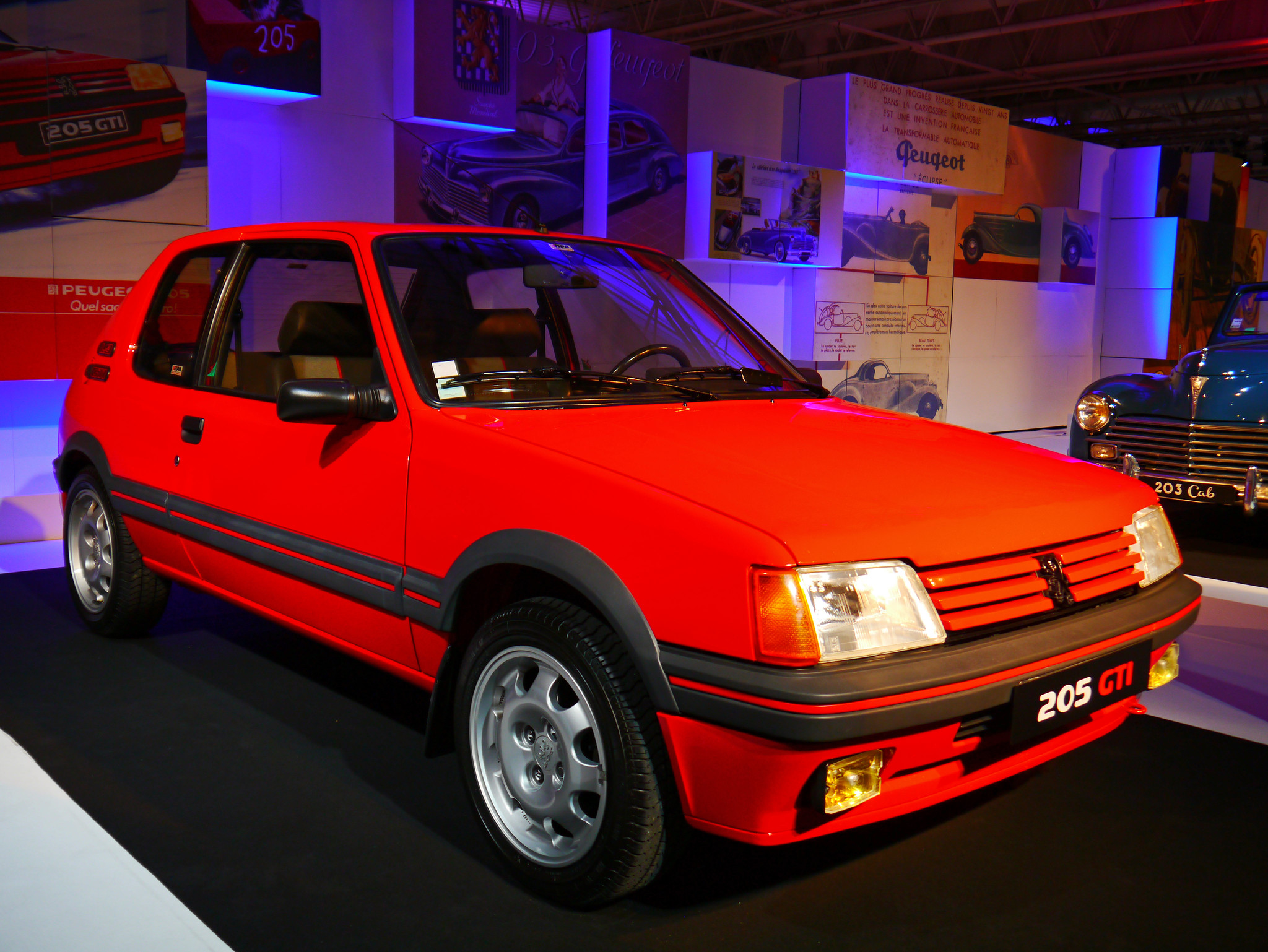
If there is one car that defines the 80s hot hatch era, it is the Peugeot 205 GTI. Even today, it is widely regarded as the finest front-wheel-drive performance car of its time.
The secret lies in the chassis. The car feels light, eager, and alive, with steering that communicates every surface change. Lift off the throttle mid-corner and the rear end gently rotates, giving skilled drivers remarkable control.
The 1.6-litre GTI is often considered the purist’s choice — lighter, revvier, and more playful. The later 1.9-litre version adds torque and pace, making it easier to drive quickly without losing the magic.
European prices (2026): Expect to pay between €15,000 and €22,000 for a good 1.6 GTI, while clean 1.9 GTIs typically range from €20,000 to €30,000, with exceptional examples exceeding €35,000.
Drivability today: Outstanding Best for: Drivers who value balance, feel, and involvement Ownership notes: Rust and originality matter more than mileage
Volkswagen Golf GTI Mk2 (1984–1992): The All-Rounder
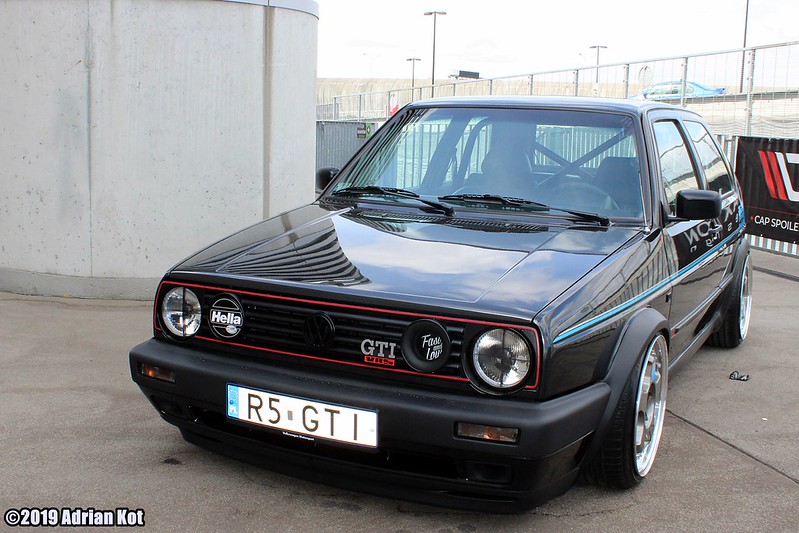
The Mk2 Golf GTI took the original hot hatch formula and refined it. Compared to the Peugeot, it is heavier and less playful, but also more comfortable and more practical.
The 16-valve version is the one to have. It offers smooth, linear power delivery and feels composed at speed, making it ideal for longer journeys. It may not dance on its toes like the 205 GTI, but it inspires confidence and remains enjoyable on twisty roads.
European prices (2026): Most Mk2 GTI 16V models sit between €12,000 and €20,000, with pristine or rare examples pushing toward €28,000.
Drivability today: Stable and confidence-inspiring Best for: Buyers who want a classic they can use regularly Ownership notes: Excellent parts supply and strong reliability
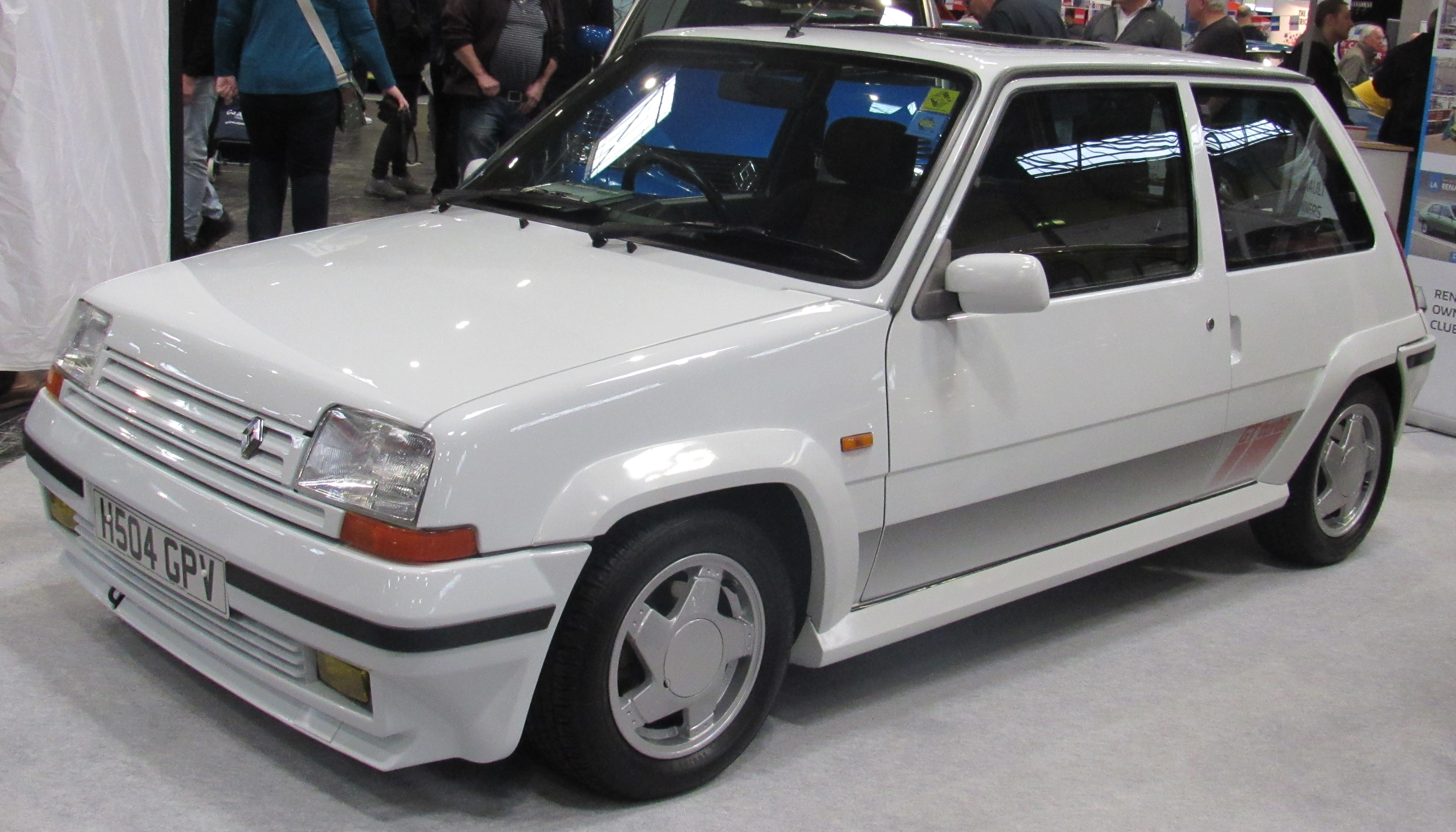
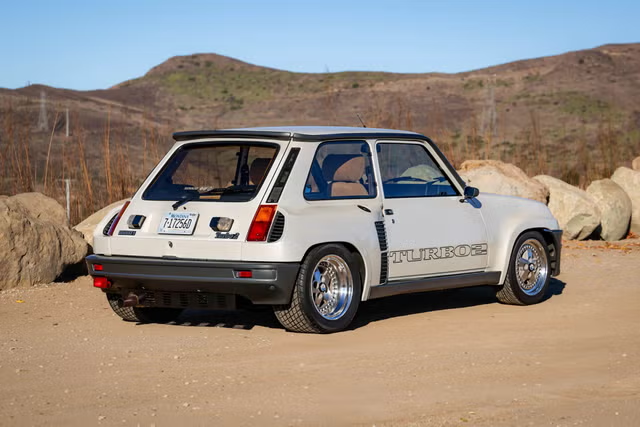
The Renault 5 GT Turbo represents everything wild and wonderful about 1980s turbocharging. It is light, short, and unapologetically aggressive.
Turbo lag is part of the experience. Below boost, it feels modest. When the turbo wakes up, the car surges forward with urgency that still feels exciting today. The handling is lively and demands respect, but that’s precisely what makes it appealing.
European prices (2026): Good examples typically range from €15,000 to €25,000, with original, low-mileage cars climbing past €30,000–€35,000.
Drivability today: Exciting but demanding Best for: Drivers who want drama and character Ownership notes: Cooling, turbo health, and originality are critical
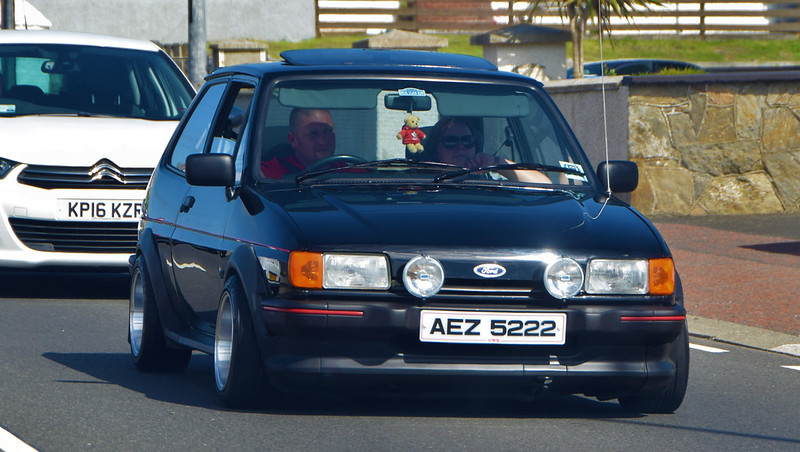
The Fiesta XR2 proves that power isn’t everything. Smaller and lighter than most rivals, it thrives on narrow back roads where agility matters more than outright speed.
Steering is quick, visibility is excellent, and the car feels eager at all times. It’s not a straight-line performer, but it delivers huge enjoyment per kilometre.
European prices (2026): Expect prices between €8,000 and €12,000 for good examples, with the very best pushing toward €15,000.
Drivability today: Playful and engaging Best for: Tight roads and weekend fun Ownership notes: Still relatively affordable as a classic
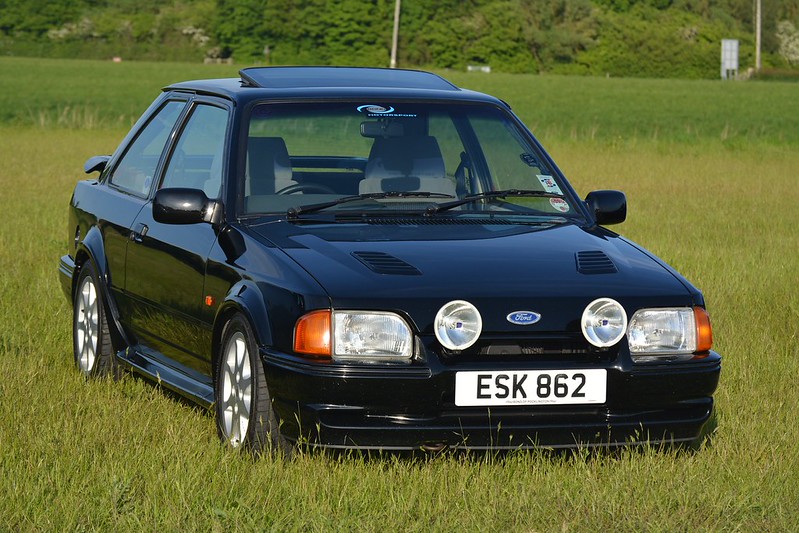
The Escort RS Turbo brought motorsport attitude to the hot hatch world. Turbocharged, aggressive, and fitted with a limited-slip differential, it was quick — but never subtle.
Torque steer and stiff suspension make it demanding, but also thrilling. Today, its rarity and motorsport image have driven strong collector interest.
European prices (2026): Usable cars start around €18,000, while original low-mileage examples exceed €30,000.
Drivability today: Fast but uncompromising Best for: Collectors and experienced drivers Ownership notes: Values are rising steadily
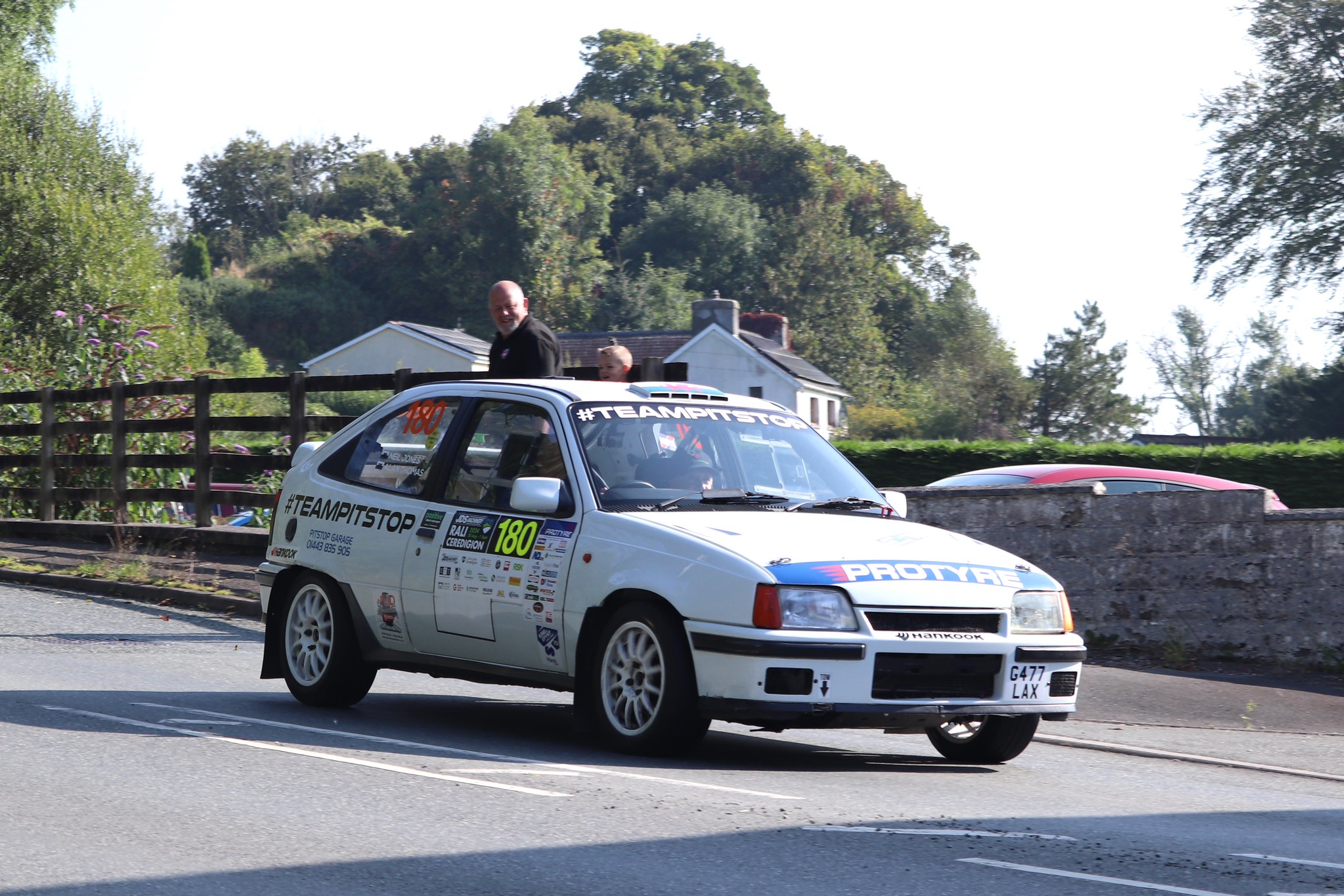
Often overlooked, the Astra GTE 16V offers strong performance with more refinement than many rivals. It is stable at speed and comfortable on longer journeys.
While it lacks the delicacy of the Peugeot or the excitement of the Renault, it is a very usable classic.
European prices (2026): Typically €10,000 to €18,000, with exceptional cars reaching €22,000.
Drivability today: Comfortable and capable Best for: Long-distance classic driving Ownership notes: Less hype equals better value
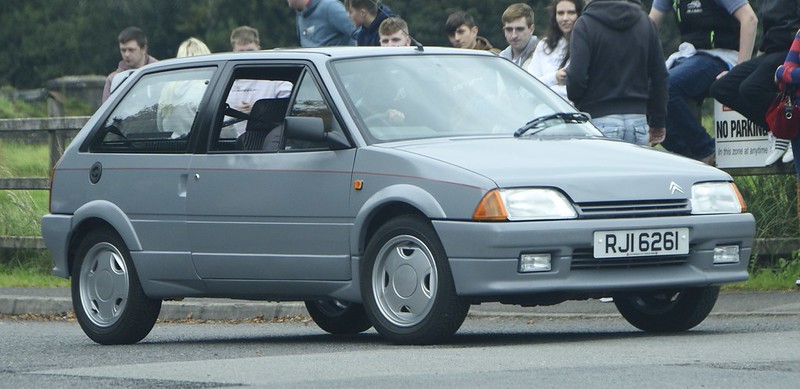
The AX GT is a reminder that weight matters more than horsepower. With an incredibly low kerb weight, it feels alive at any speed.
It’s not glamorous and not especially collectible, but for pure analogue fun, it’s hard to beat.
European prices (2026): Between €6,000 and €10,000, with excellent examples reaching €12,000.
Drivability today: Extremely agile Best for: Budget classic fun Ownership notes: Simple mechanics and low running costs
Condition matters more than brand. Rust, neglected suspension, and poor modifications can ruin the experience. Always prioritise originality and structural integrity.
Parts availability is strongest for the Peugeot 205 GTI and Golf GTI, making them safer long-term ownership choices. Turbocharged cars require more specialist care but offer greater character.
Final Thoughts
The best 1980s hot hatches are not just nostalgic icons — they are still genuinely enjoyable cars to drive today. They offer feedback, involvement, and personality that modern cars often lack.
If you want the purest driving experience, the Peugeot 205 GTI remains king. If you want usability, the Golf GTI Mk2 is hard to beat. If you crave excitement, the Renault 5 GT Turbo delivers drama in spades.
These cars don’t just survive in the modern era — they thrive.