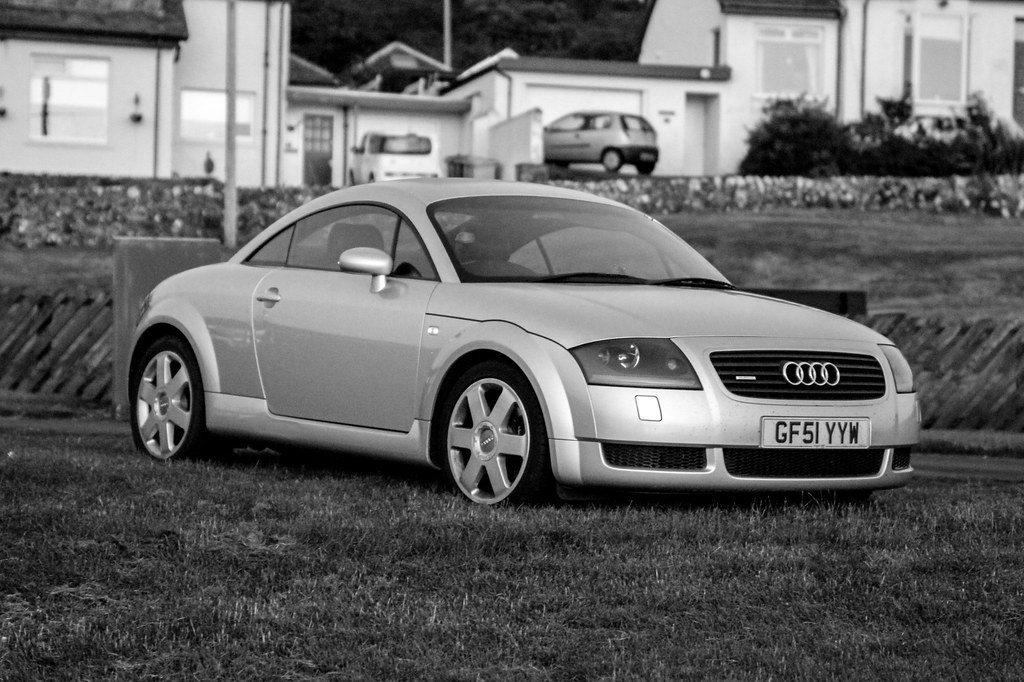
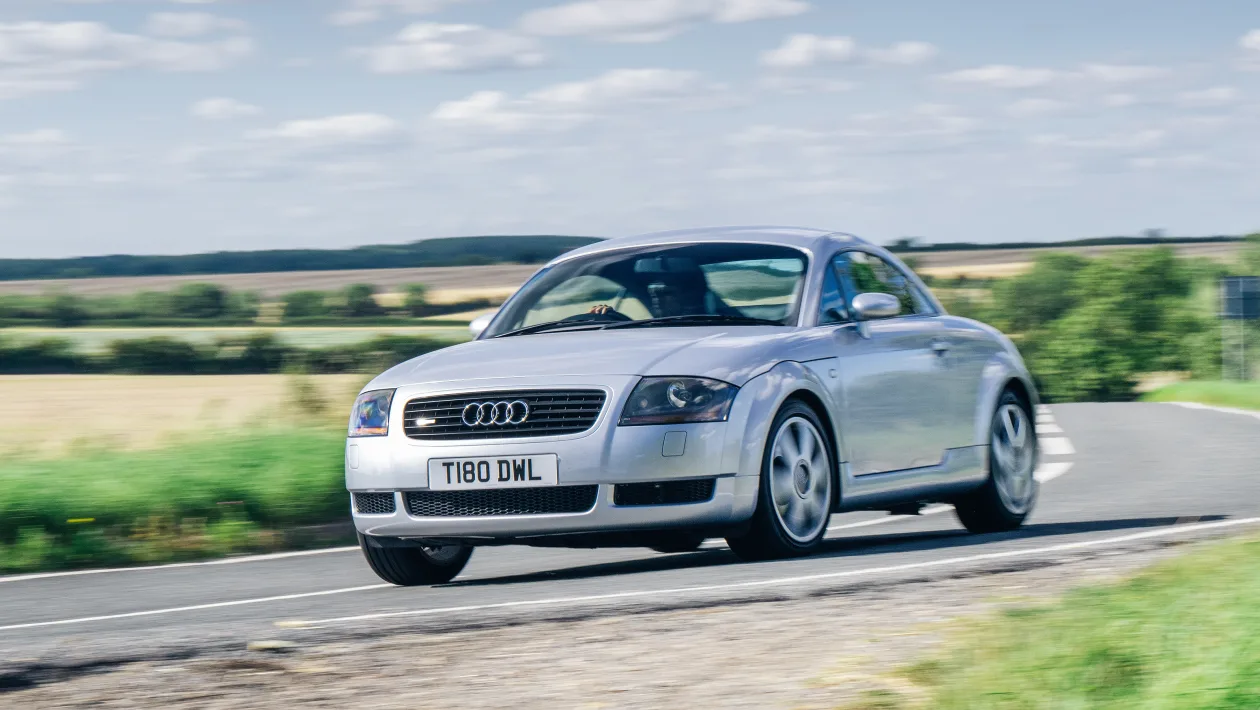
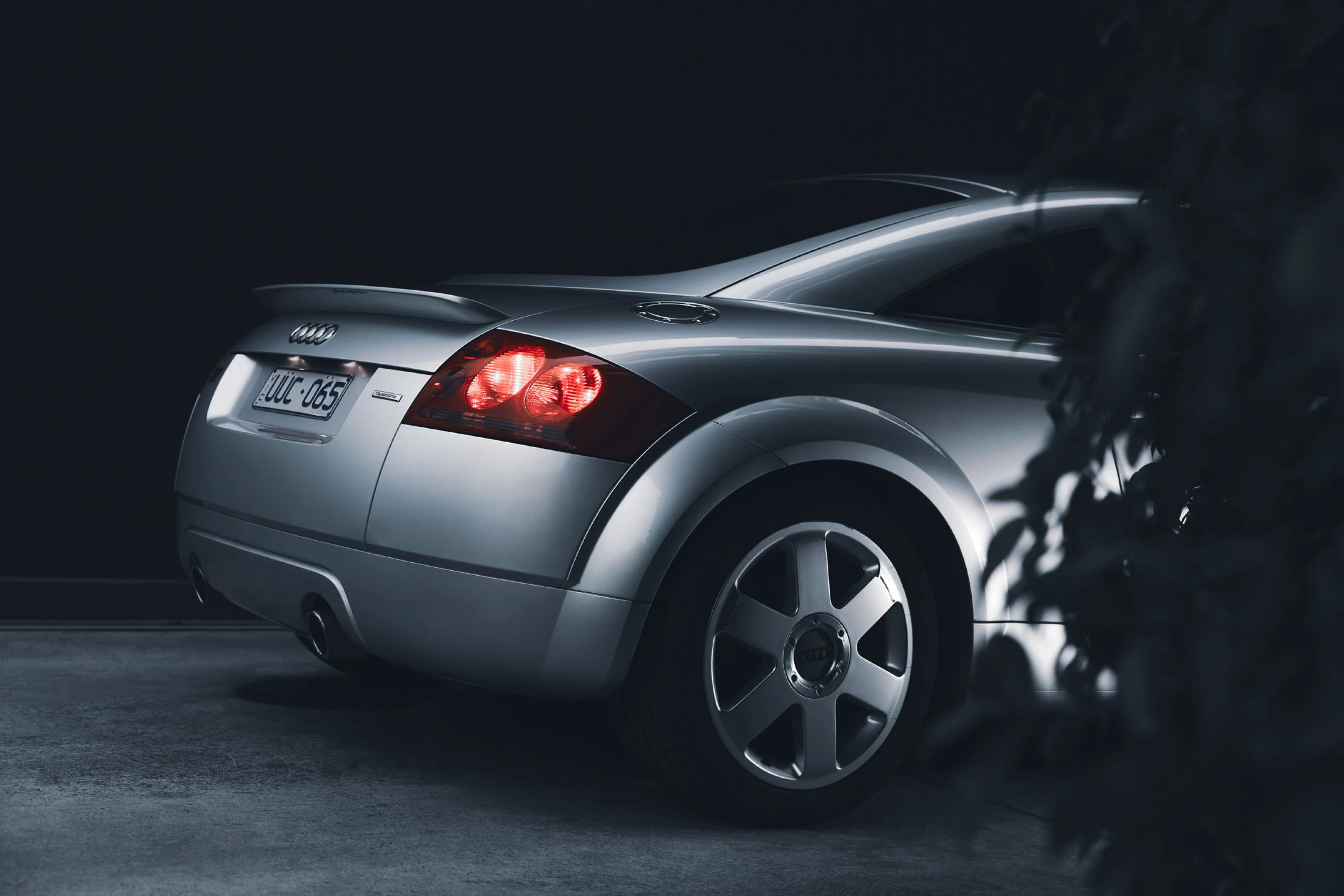
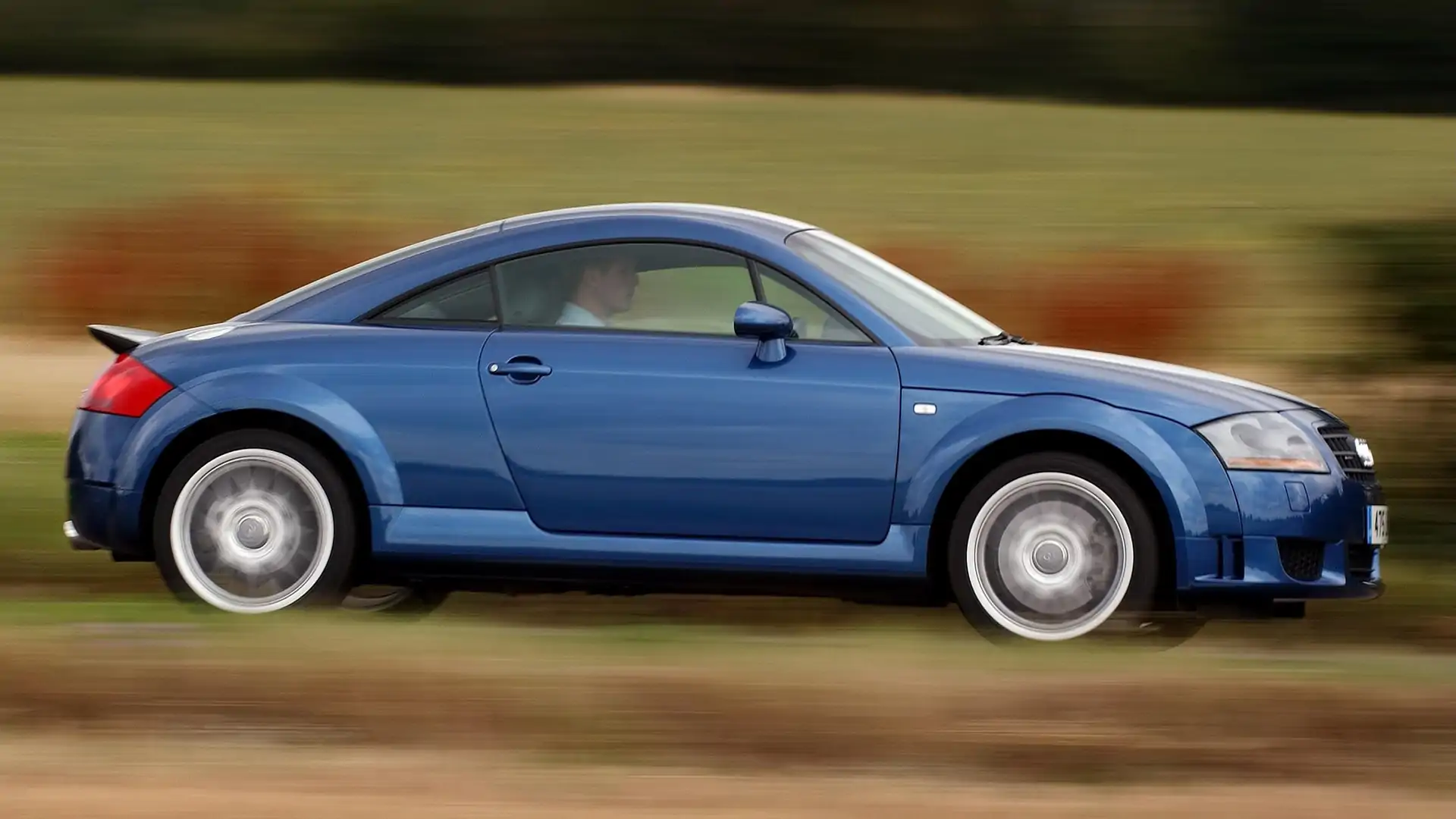
The Audi TT Mk1 (1998–2006), often called the 8N, remains one of the most iconic sports cars of the late 1990s and early 2000s. Launched as a bold departure from Audi’s conservative image, it drew inspiration from the 1995 TT concept car and hit production with a design that still looks fresh and timeless today. Penned by Peter Schreyer, its clean Bauhaus lines, circular motifs, and compact proportions made it an instant style icon—often compared to a mini Bauhaus sculpture on wheels.
When new, the TT was revolutionary. It shared its platform with the Volkswagen Golf Mk4 and Audi A3, but Audi tuned it for sharper handling and a more premium feel. The entry-level 1.8-liter turbocharged engine (180 hp in the 180 model, later 225 hp in the 225 quattro) delivered punchy performance with strong mid-range torque, thanks to turbo boost. Quattro all-wheel drive versions offered exceptional grip, making it surprisingly capable in corners despite its front-heavy layout. The 3.2-liter VR6 (from 2003) added more power and a glorious exhaust note, though it was rarer and thirstier. Roadsters brought open-air fun, while coupes emphasized sleek coupe proportions
Driving one felt special: precise steering, composed chassis, and that signature turbo whoosh. It wasn’t a raw track weapon like a Porsche Boxster, but it balanced everyday usability with engaging dynamics. Owners loved the supportive seats, minimalist cabin (especially the baseball-glove leather option), and build quality that felt upscale for the era.
Reliability-wise, the Mk1 TT holds up well for a 20+ year-old car if maintained properly. The 1.8T engine is robust and tunable, with many examples exceeding 200,000 miles. Common issues include timing belt failures (critical interval every 60,000–100,000 miles), oil leaks, coil pack failures, and electrical gremlins from aging wiring. Rust can appear on wheel arches, sills, roof rails, and underbody components if neglected, but many well-cared-for cars resist it surprisingly well compared to contemporaries. Suspension bushes and quattro Haldex systems need attention, but parts remain affordable and widely available thanks to VW Group sharing.
Today, in 2026, the Mk1 TT is firmly in “modern classic” territory and transitioning from pre-classic to full classic status. Prices for driver-quality examples hover affordably (often under €10,000–€15,000 in Europe for solid 1.8T quattros), while pristine, low-mileage 225 hp or 3.2 models fetch higher—some topping €20,000–€35,000 for the best. Values have risen steadily since the early 2020s, with experts predicting further appreciation as numbers dwindle from attrition, accidents, and scrappage. It’s now seen as a future classic: stylish, fun, tunable, and far more accessible than equivalents like the BMW Z3/Z4 or Honda S2000 in top condition.
Owning one now offers the best of both worlds—affordable entry into classic car enjoyment with rising desirability. Whether for weekend blasts, track days, or as an appreciating asset, the Mk1 TT delivers character, performance, and nostalgia that few cars match. If you’re considering one, prioritize full service history, rust checks, and a timing belt refresh—done right, it’s a rewarding, head-turning gem that ages gracefully.