Future Classics: 2010s Cars That Will Rise in Value by 2035 – An Investment Angle
Future Classics: 2010s Cars That Will Rise in Value by 2035 – An Investment AngleThe used car market in 2026 is full of surprises. While EVs dominate new-car showrooms and headlines, a quiet wave is building around certain 2010s petrol and performance models. These cars—built during the last golden era of internal-combustion enthusiasm—are starting to be viewed not just as transport, but as collectibles. By 2035, when emissions regulations tighten further and analogue driving becomes rare, a select group of 2010–2019 cars could see significant value increases, much like 1990s icons (E36 M3, 993 Porsche 911, Mk1 MX-5) did in the 2010s.Here’s why the 2010s generation is poised to become tomorrow’s future classics, plus the standout models already showing early signs of appreciation.Why 2010s Cars Are Becoming CollectibleSeveral forces are converging:End of the analogue era Most cars built after 2020 are heavily digitized—touch-heavy interfaces, mandatory driver-assist systems, over-the-air updates, and complex hybrid/EV powertrains. The 2010s still offered hydraulic steering (or well-tuned electric), naturally-aspirated or characterful turbo engines, manual gearboxes in volume models, and analogue gauges. That purity is disappearing fast. Stricter emissions & bans By 2035 many European cities will restrict or ban high-emission vehicles entirely. Petrol cars from 2010–2015 will become rare in urban centres, driving demand among enthusiasts who want to keep them alive outside LEZ zones or on private land. Peak performance affordability The 2010s delivered incredible performance at accessible prices: twin-turbo straight-sixes, flat-six engines, supercharged V8s, and lightweight sports cars. Many of these are now depreciated to the point where they’re cheaper than a new mid-range EV, yet offer driving experiences that new cars can’t replicate. Enthusiast nostalgia People who grew up in the 2000s–2010s are now in their 30s–40s with disposable income. They want the cars they dreamed about as teenagers—cars that still feel modern enough to use daily but old enough to feel special.
Top 2010s Future Classics with Strong Appreciation Potential by 2035
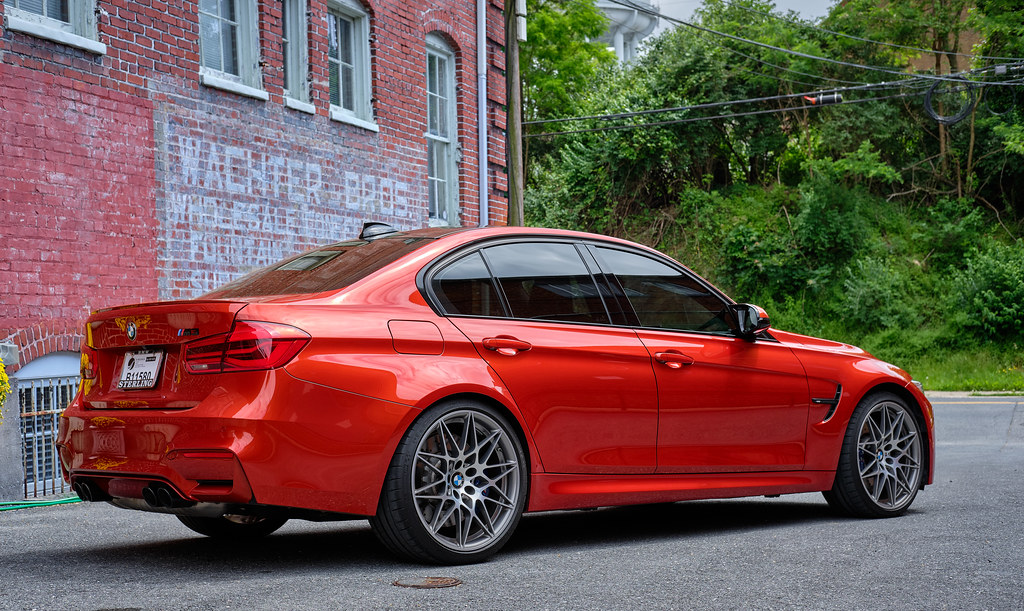
- BMW M3 (F80, 2014–2018)Why it will rise: The last pure M3 before hybrid tech arrived (G80). The S55 3.0 twin-turbo inline-six (431 hp) is one of BMW’s greatest modern engines—characterful, tunable, and relatively robust if serviced properly. Manual gearbox option, rear-wheel drive, lightweight compared to today’s M cars.
Current 2026 prices: €35,000–€55,000 for good examples with <100,000 km.
2035 outlook: Expect €60,000–€100,000+ for low-mileage manuals. The F80 is already the “last analogue M3” in many collectors’ eyes.
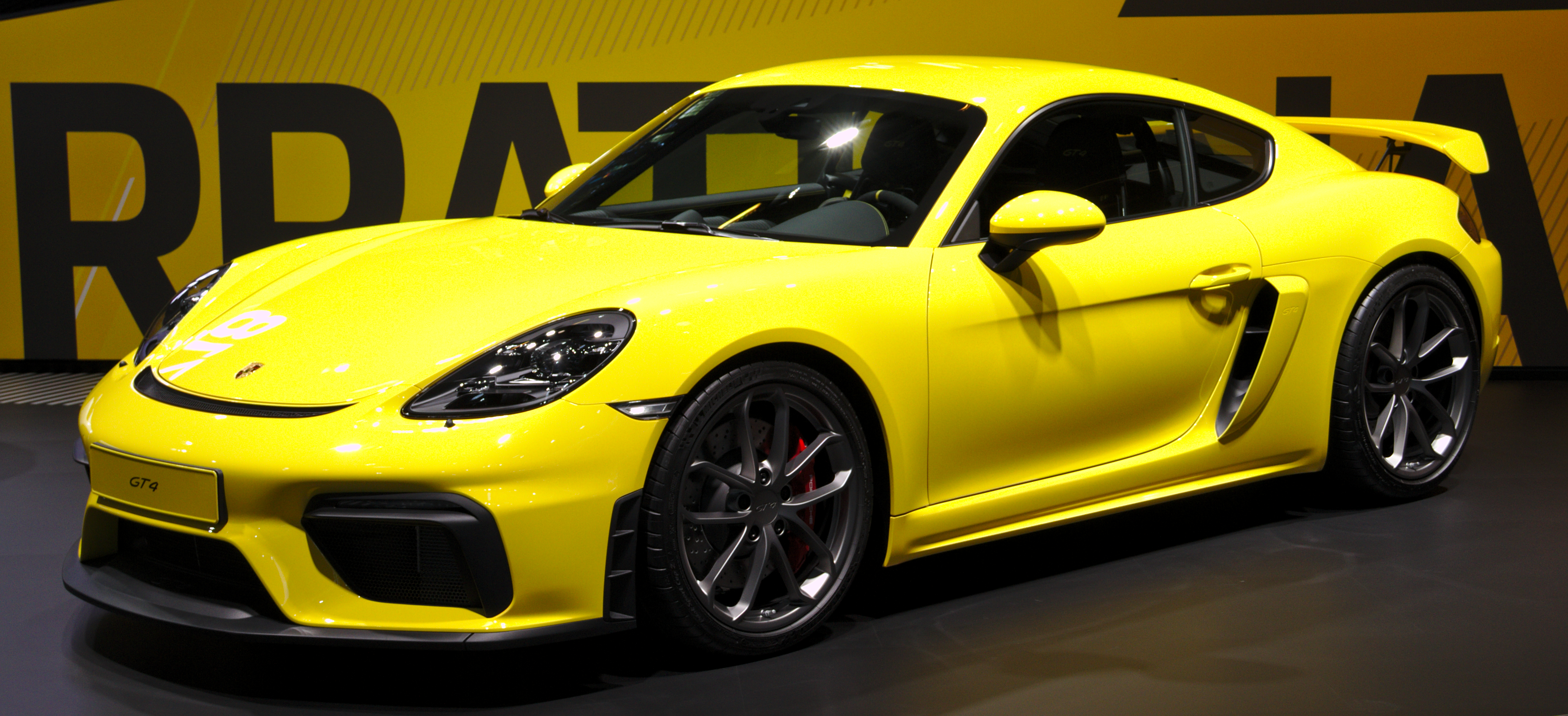
Current 2026 prices: 981 3.4 S ≈ €40,000–€60,000; 718 GTS 4.0 ≈ €70,000–€90,000.
2035 outlook: 981 NA cars could double; 4.0-litre 718 GTS may reach six figures. The last pure combustion Porsche sports cars.
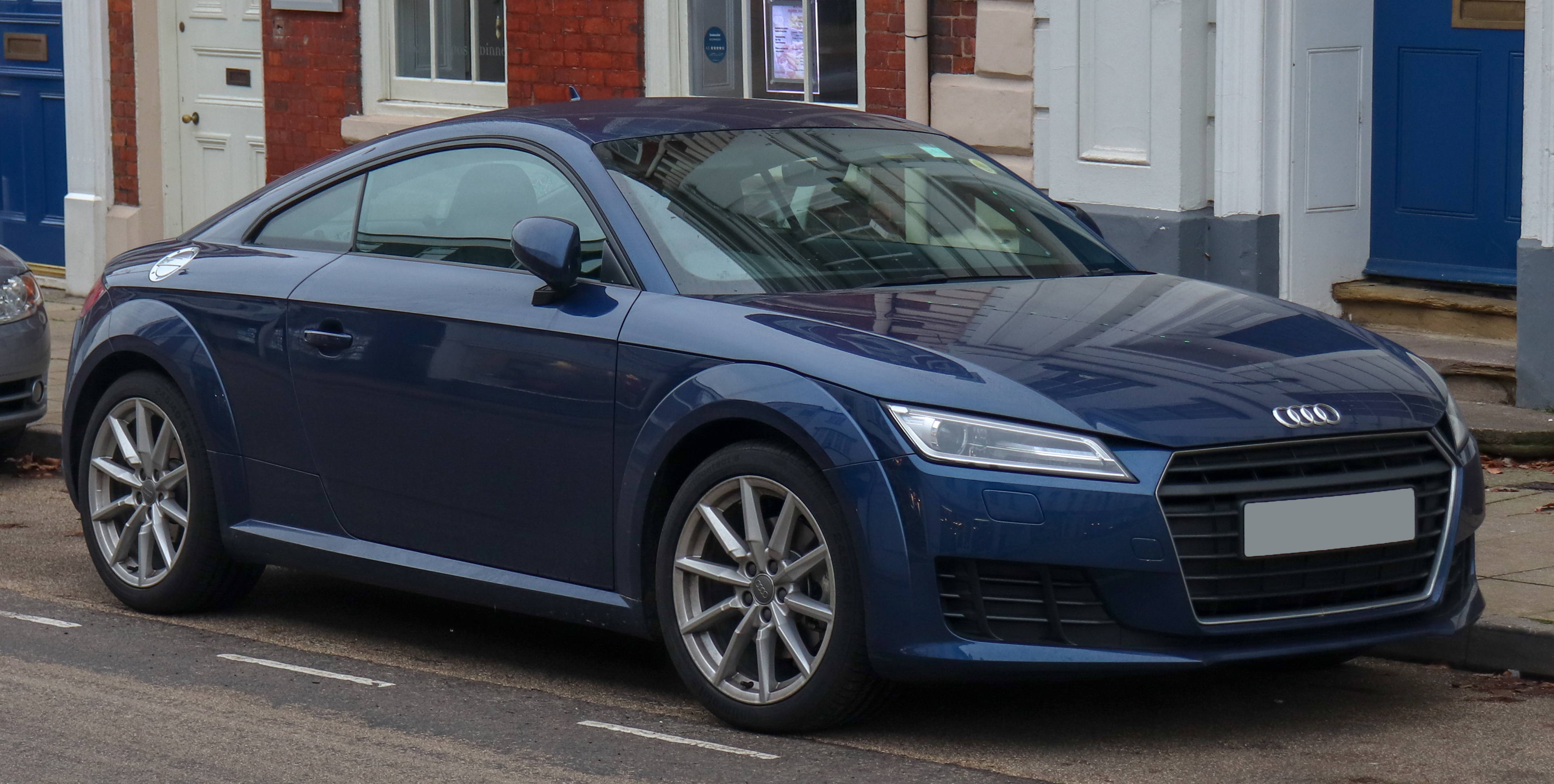
Current 2026 prices: 2.0 TFSI manual ≈ €18,000–€28,000; TT RS ≈ €45,000–€65,000.
2035 outlook: TTS and TT RS will likely climb fastest. The TT RS is already called “the last proper Audi sports car” by enthusiasts.
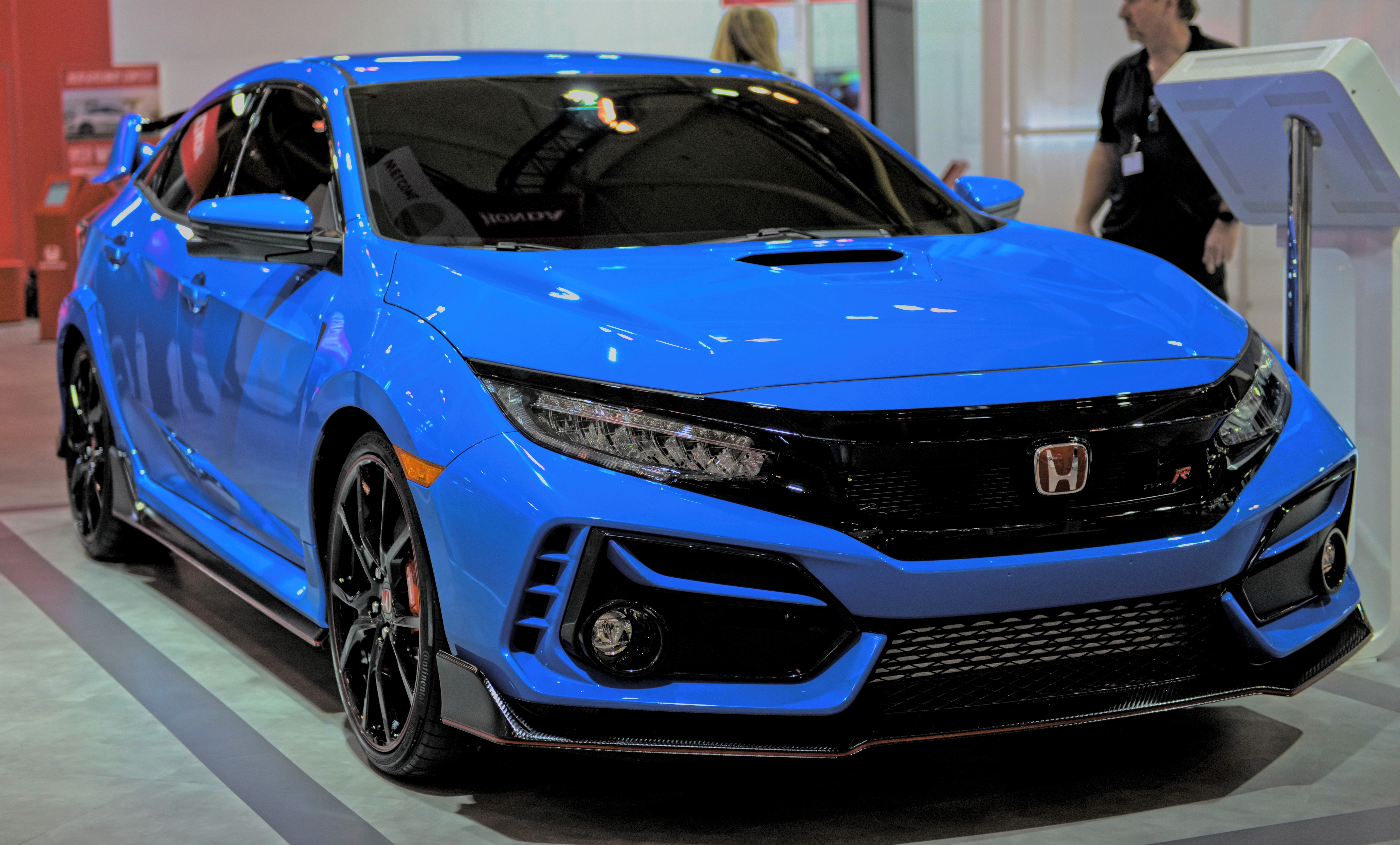
Current 2026 prices: €30,000–€45,000.
2035 outlook: Could reach €60,000–€90,000 for pristine examples. Seen as the last “pure” hot hatch before electrification.
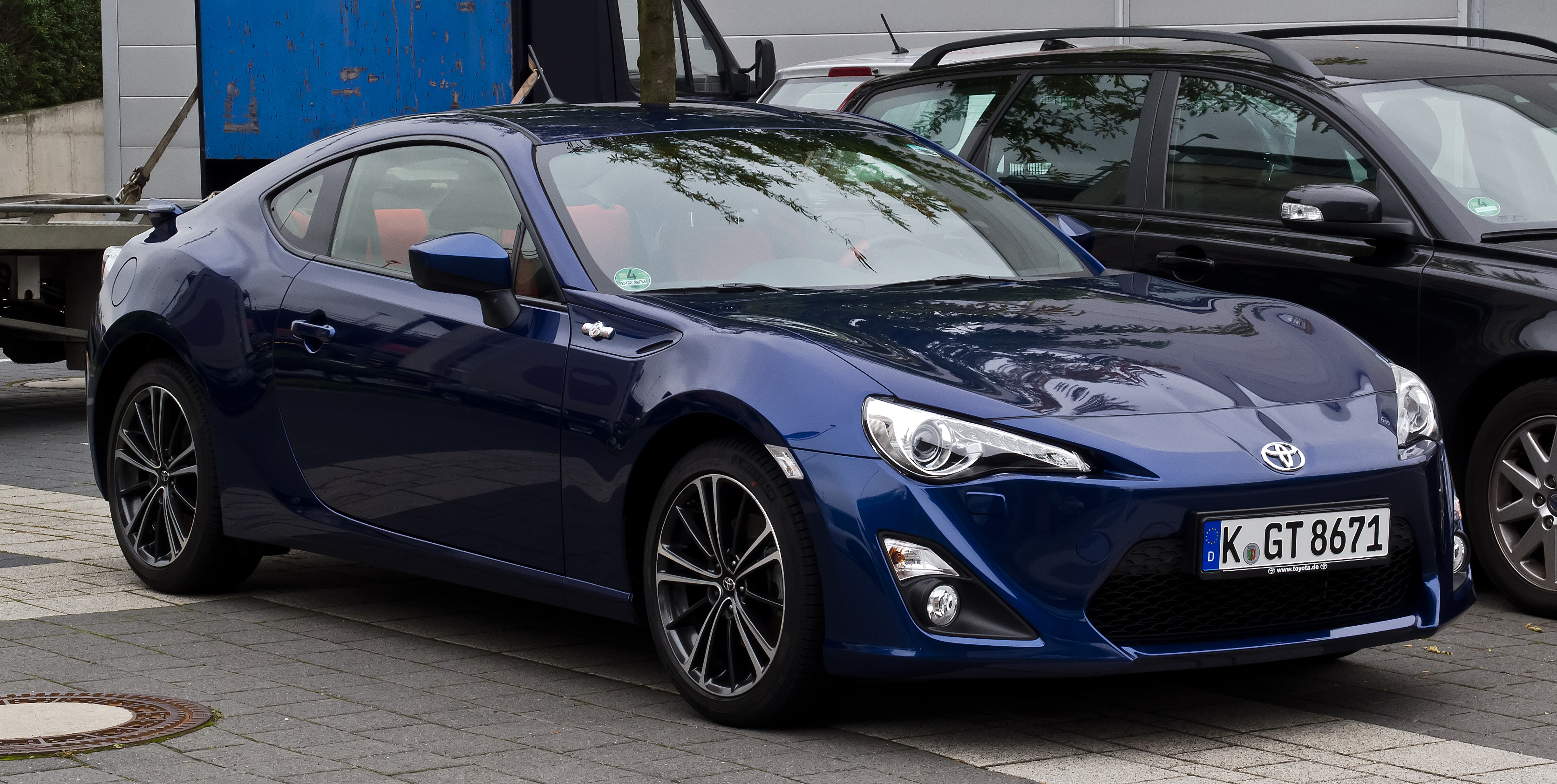
Current 2026 prices: €15,000–€25,000.
2035 outlook: Clean manuals could double or triple as the last affordable analogue sports car. Final Thoughts: Investing Wisely in 2026These 2010s cars aren’t guaranteed to skyrocket, but they have the ingredients collectors love: rarity in the future, driving purity, and cultural significance. To maximise potential:Buy low-mileage examples (<80,000 km) with full history.
Prefer manual gearboxes and special editions (Competition Pack M3, GTS 4.0 Cayman, Clubsport TT RS).
Store them dry, service on time, and drive them occasionally—cars that sit unused often depreciate faster than ones enjoyed responsibly.
Track values on Classic Analytics, Classic.com, or Hagerty Price Guide.
In 2026, you can still buy these future classics for the price of a new mid-range EV. By 2035, when analogue driving is a niche pleasure, they could be cherished heirlooms. Start searching Europe-wide on MotorMarket24.com—many of these icons are already listed across borders, ready for their next chapter