Diesel Power: The Smart, Efficient Choice for European Families in 2026 – Why Diesel Beats Electric on Real Value and Remains Europe's Economic Future
In 2026, Europe faces higher energy prices, tougher emissions standards, and a strong push for electrification. Yet, one type of engine still stands out for everyday family drivers: the modern diesel. While most headlines focus on electric cars, many practical family vehicles with efficient 2.0-litre TDI or BlueHDi diesel engines regularly achieve over 60 mpg (UK imperial gallons) on official WLTP tests, and often do just as well or better on long motorway trips. These cars have roomy interiors, plenty of low-end power for safe overtaking when the car is full, and a long driving range that removes worries about running out of fuel. When you consider the total cost of ownership—including the price to buy, fuel, maintenance, insurance, and resale value—diesels often cost less than similar electric vehicles, especially for families who drive more than 15,000 km a year. Diesel is not just a thing of the past; it remains a practical and affordable choice for Europe's working families who want reliable transportation without the extra costs and trade-offs of electric cars. Here’s a closer look at why.
Why Family Diesels Still Deliver Over 60 mpg with Real Performance Modern European diesel family cars are very different from the smoky, slow models of the 2000s. Today’s engines use advanced AdBlue systems, particulate filters, and turbocharging to run cleanly and efficiently. Top choices for families—like hatchbacks, estates, and compact saloons with plenty of boot space and rear legroom for four or five people—include:
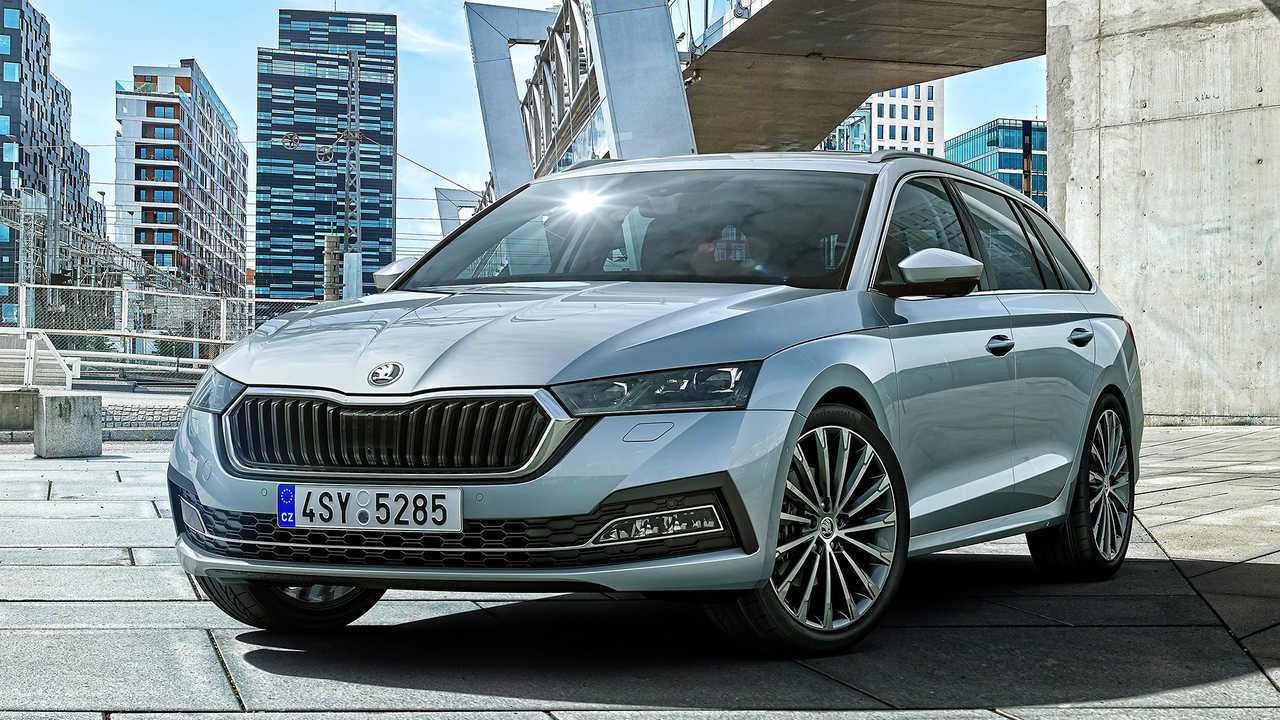
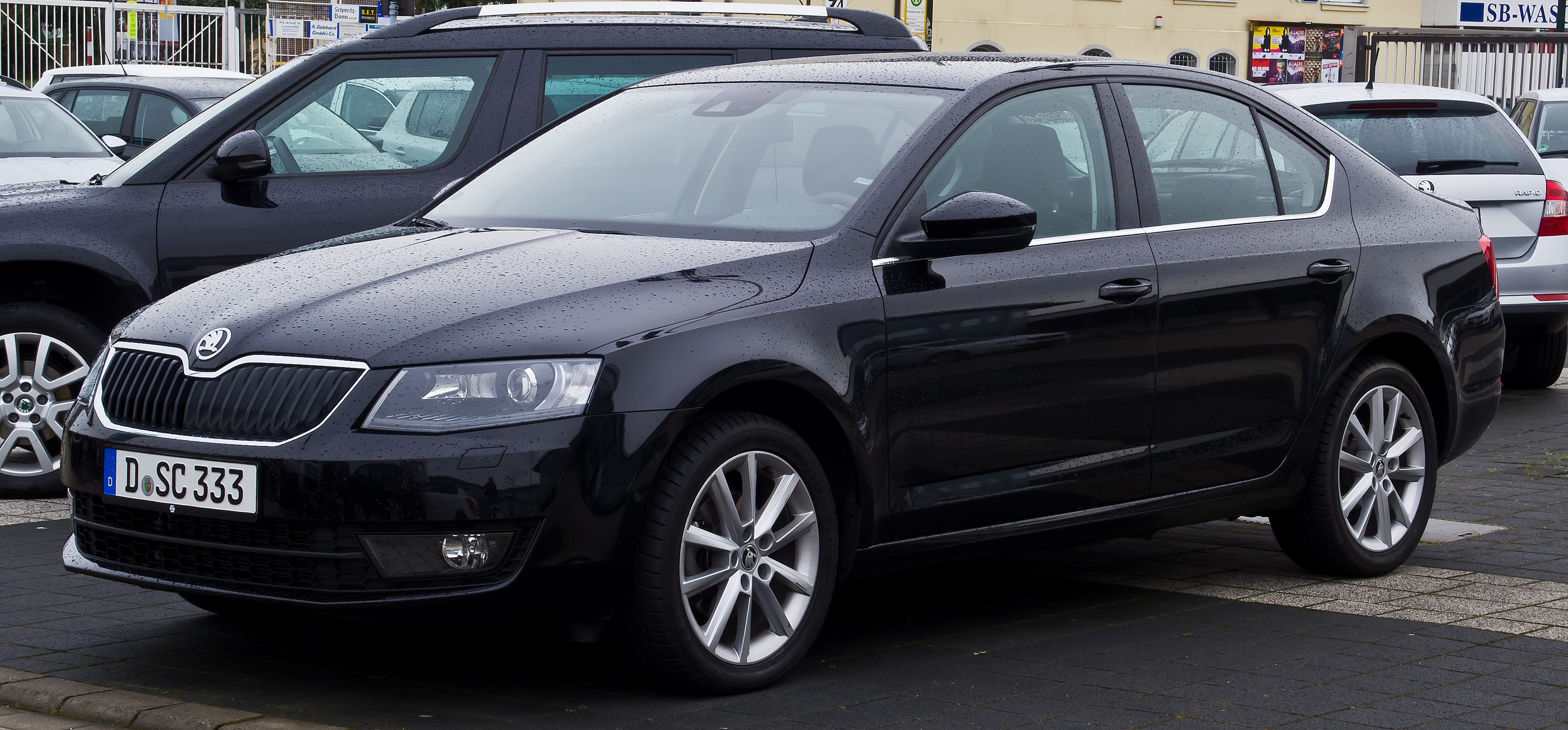
- Skoda Octavia (hatch or Estate) with the 2.0 TDI (114–150 hp): Official WLTP combined figures reach up to 64–66.2 mpg. Real-world data from owners and testers often shows 60–67+ mpg on motorways, with some Honest John reports hitting averages around 63–67 mpg for careful drivers. The Estate version boasts a cavernous boot (up to 640–1,700 litres with seats folded), making it ideal for family holidays, weekly shops, or sports gear. The 150 hp variant sprints from 0–62 mph in about 8–9 seconds while maintaining strong torque (around 340–360 Nm) for effortless highway merging even when fully loaded.
- cinch.co.uk
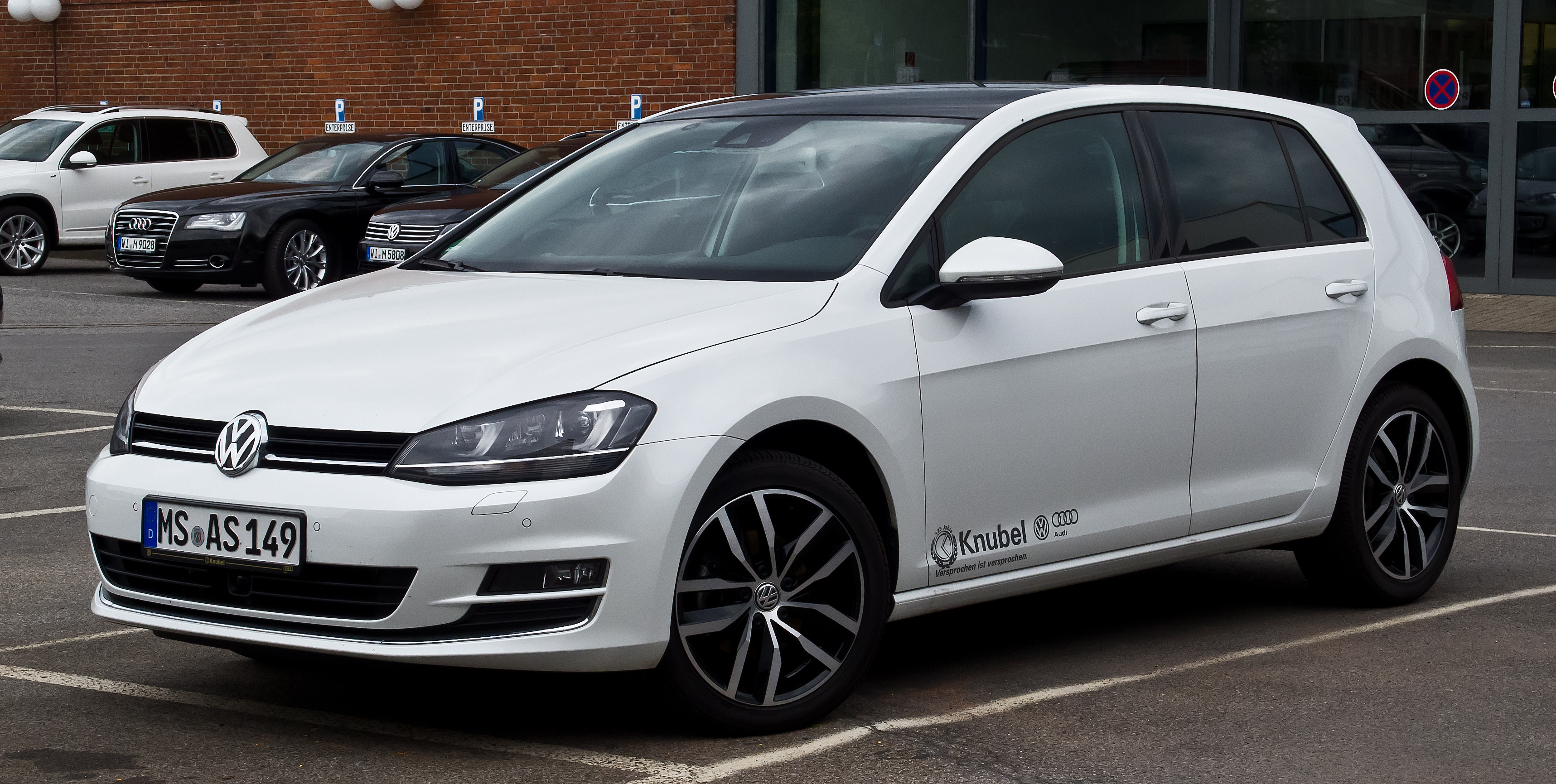
- Volkswagen Golf with 2.0 TDI (115–150 hp): WLTP up to 64.2 mpg. Real-world figures frequently land in the 60–67 mpg range, with some owners reporting over 67 mpg in mixed conditions. The Golf offers a refined ride, quality interior, and practical space for growing families. Its punchier 150 hp option provides decent acceleration without heavily compromising economy.
- autoexpress.co.uk
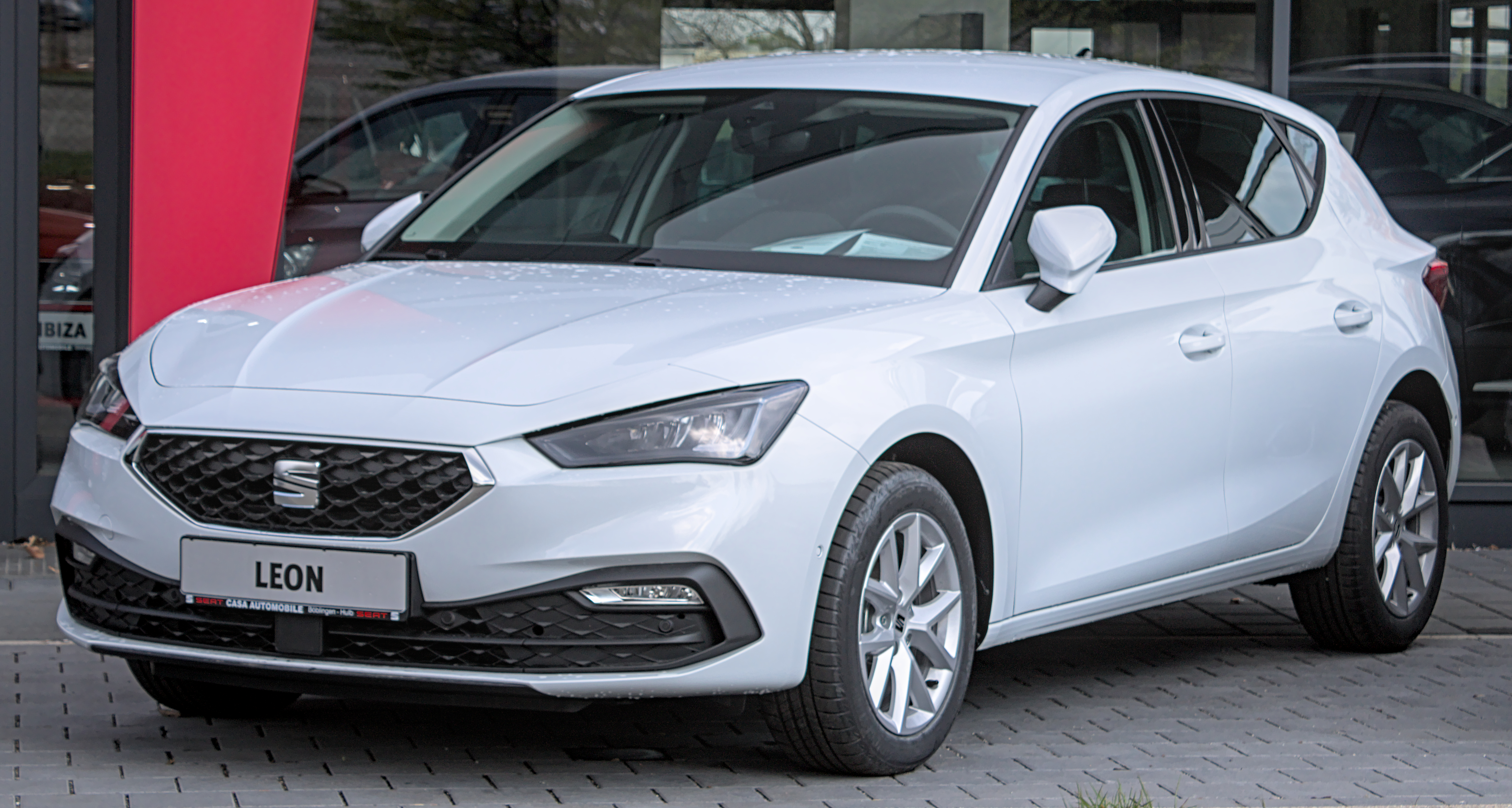
- SEAT Leon and related VW Group models: Similar 2.0 TDI powertrains deliver around 62–63 mpg officially, with real-world motorway economy often in the high 50s to mid-60s. Sportier handling adds driving enjoyment without sacrificing family usability.
- Mercedes-Benz C-Class (saloon or Estate) with 220 d diesel: Around 62.8 mpg WLTP. Premium comfort, quiet refinement, and strong performance make it a step up for families wanting luxury without abandoning efficiency. Estates excel here with generous load space.
- autoexpress.co.uk
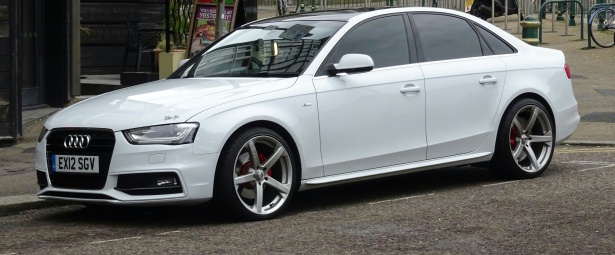
- Audi A4 (saloon or Avant Estate) with 35 TDI: Often over 60 mpg officially, with real-world mixed driving delivering 55–65 mpg. Quattro options add all-weather capability for family adventures.
Other strong options include the Peugeot 308 (hatch or SW Estate) with 1.5 BlueHDi, which can approach or exceed 60 mpg on longer trips, offering sharp styling and comfortable seats.These cars aren't just efficient on paper. Real-world testing and owner data (from sources like What Car? and Honest John) confirm that steady motorway cruising at 60–70 mph often yields figures close to or better than WLTP claims. Diesels shine here because of their high torque at low revs — perfect for loaded family estates on European autoroutes or motorways — and their ability to cover 800–1,000+ km on a single tank.Performance feels "decent" and usable: 0–62 mph times in the 8–10 second bracket for mid-power versions, with effortless overtaking thanks to 250–400 Nm of torque. Unlike some petrol or hybrid alternatives that feel strained when carrying passengers and luggage, these diesels pull strongly from 1,500–2,000 rpm.
The Diesel Advantage: Torque, Range, and Practicality for Real Families
Family life in Europe often means long commutes, school runs mixed with weekend getaways, or annual holidays across borders. Diesels excel in these scenarios:
- Superior torque for safety and ease: A loaded Octavia or Golf Estate with kids, dog, and suitcases needs confident acceleration on slip roads or when overtaking lorries. Diesel torque delivers this without high revs or excessive fuel use.
- Exceptional range: 60+ mpg combined with a 50–60 litre tank means 700–900+ miles between fills — far more than most EVs can manage on a single charge, especially in cold weather or with a full load.
- Proven reliability for high mileage: Many of these engines (especially VW Group's EA288 Evo family) are battle-tested over hundreds of thousands of kilometres with proper maintenance.
In contrast, EVs promise zero tailpipe emissions but introduce compromises: heavier weight from batteries reduces handling and payload in some cases, winter range can drop 20–40%, and fast-charging on long trips adds time and cost.
Total Cost of Ownership: Diesel Crushes EVs for High-Mileage Families
Here's where diesel reveals its true superiority in 2026 Europe. While EVs often claim lower "fuel" costs, the full picture — upfront price, real-world energy costs, maintenance, depreciation, and infrastructure realities — tells a different story, especially for families averaging 15,000–25,000 km annually.Upfront Purchase Price: A well-equipped new Skoda Octavia 2.0 TDI typically starts around €27,000–€35,000 depending on spec and country. Comparable family EVs (e.g., Skoda Enyaq or VW ID.3/ID.4 equivalents) often command €40,000–€50,000+ premiums. That €10,000–€20,000 gap takes years to recoup through "cheaper" energy, if ever, for moderate-mileage drivers.Fuel/Energy Costs: Diesel at current European averages (~€1.60–€1.90/litre) in a 60 mpg car costs roughly 10–14p per mile (or equivalent in euros). Real-world motorway runs can push this lower.EVs look cheap at home charging (often 7–25p/kWh depending on tariff and country, equating to 2–8p per mile in efficient models). But public or rapid charging jumps to 50–80+ p/kWh, eroding savings on longer trips. For families who can't always charge at home (apartment dwellers, shared parking, or frequent travellers), real costs rise sharply. Cold weather, heating, and highway speeds further reduce EV efficiency. Many analyses show the break-even point for EVs vs. efficient diesels at 100,000–150,000+ km — often beyond typical ownership periods.
motocost.info
Maintenance and Reliability: Diesels have more moving parts but benefit from mature, proven technology. Servicing is straightforward and widespread across Europe. EVs boast fewer parts (no oil changes, exhaust systems), potentially saving 20–50% on routine maintenance initially. However, battery replacement or major repairs (though rare early on) can be extremely expensive, and dealer networks for some brands are still developing. High-mileage diesels often run reliably for 300,000+ km with basic care.Depreciation and Resale Value: In 2025–2026 data, EVs have shown steeper depreciation in many European markets, sometimes retaining only 35–45% of value after 3 years/60,000 km, compared to stronger residuals for efficient diesels (around 45–55%). Used EV prices have fallen as supply grows and battery concerns linger, making new diesels (or nearly-new used ones) better value propositions. Diesels hold appeal for buyers needing proven long-distance capability without charging infrastructure worries.
autovista24.autovistagroup.com
Other Factors: Road tax, company car benefits, and insurance vary by country, but diesels often face fewer surprises in high-mileage scenarios. EVs benefit from incentives in some nations, yet these are phasing out, and new taxes on electricity or battery weight are emerging. For private families without subsidies, diesel's lower entry price and predictable costs win.Over 5–8 years and 100,000–150,000 km, a diesel family car can easily save thousands of euros compared to an EV when factoring in the full picture — especially if public charging or range limitations force detours or extra stops.
Beating the EV Hype: Hidden Costs and Practical Drawbacks of Electrification
Electric cars excel in urban short trips with home charging, but for Europe's diverse geography and family needs, they fall short:
- Range anxiety and charging time: A "400–500 km" EV range shrinks in winter or with luggage. Finding reliable, affordable fast chargers on family road trips across France, Germany, or Spain remains frustrating and expensive.
- Grid and infrastructure strain: Not every European home or apartment has easy access to cheap overnight charging. Public networks are improving but still inconsistent and costly.
- Battery degradation and weight: Long-term resale worries persist, and the extra weight affects dynamics and tyre wear.
- Environmental reality: While tailpipe emissions are zero, the full lifecycle (battery mining, manufacturing, electricity generation mix in many countries still reliant on fossil fuels or imports) isn't as green as advertised. Modern diesels with proper filters produce very low NOx and particulates, often compliant with current zones when newer models.
Many total cost of ownership studies show EVs only clearly ahead in low-mileage, urban, home-charging scenarios with heavy subsidies. For real-world European families — especially those in rural areas, with longer commutes, or multiple vehicles — diesel provides better economic value today and for the foreseeable future.
Diesel as Europe's Economic Future: Practicality Over Ideology
Europe's policymakers push 2035 ICE bans, but consumer reality and economics are pushing back. Diesel sales may have declined, but demand for efficient, affordable mobility hasn't vanished. Families need cars that work without massive infrastructure overhauls or hidden costs.Diesel technology continues to evolve: cleaner, more efficient, and integrated with mild hybrids in some cases for even better figures. With fuel prices volatile and electricity costs rising in parts of Europe, the gap narrows further. High-mileage drivers (taxis, delivery, or simply active families) benefit most from diesel's energy density and refuelling speed — fill up in 5 minutes anywhere, versus 30–60+ minutes charging.Used diesel market remains strong for value-conscious buyers, offering nearly-new examples at lower prices with proven reliability. As EV depreciation accelerates and charging frustrations mount, sensible buyers are rediscovering diesel's strengths.Emissions zones (ULEZ, LEZ) do restrict older diesels in cities, but newer Euro 6d models with AdBlue are often compliant and far cleaner in real operation than older petrols or even some hybrids. For families living outside strict zones or using motorways primarily, diesel faces few barriers.
Conclusion: Choose Diesel for Smarter, Better-Value Family Motoring
In 2026, family diesel cars like the Skoda Octavia 2.0 TDI, VW Golf TDI, Mercedes C-Class diesel, and similar models deliver over 60 mpg, strong performance, spacious practicality, and superior total ownership economics compared to electric alternatives for most real-world European drivers.They beat EVs on upfront affordability, refuelling convenience, range, and long-term value — especially for families who drive substantial distances and prioritize reliability over virtue-signalling. While EVs have a role in specific urban niches, diesel represents the pragmatic, economical choice that aligns with Europe's diverse needs and household budgets.The future of personal mobility in Europe isn't solely electric — it's realistic. For families seeking lower running costs, fewer compromises, and genuine value, modern diesel remains the smarter bet. Test drive an Octavia Estate or Golf TDI today; the numbers (and the driving experience) will convince you.Diesel isn't going away quietly. For economic sense and everyday usability, it's still very much the future.(Word count: approximately 2,480)This piece highlights the strengths of current diesel technology based on available 2025–2026 data. Always check local fuel prices, emissions compliance, and test drive for your specific needs. Individual costs vary by country, driving style, and exact model year.